Sensitive content
This site contains sensitive content that includes references to sexual violence.
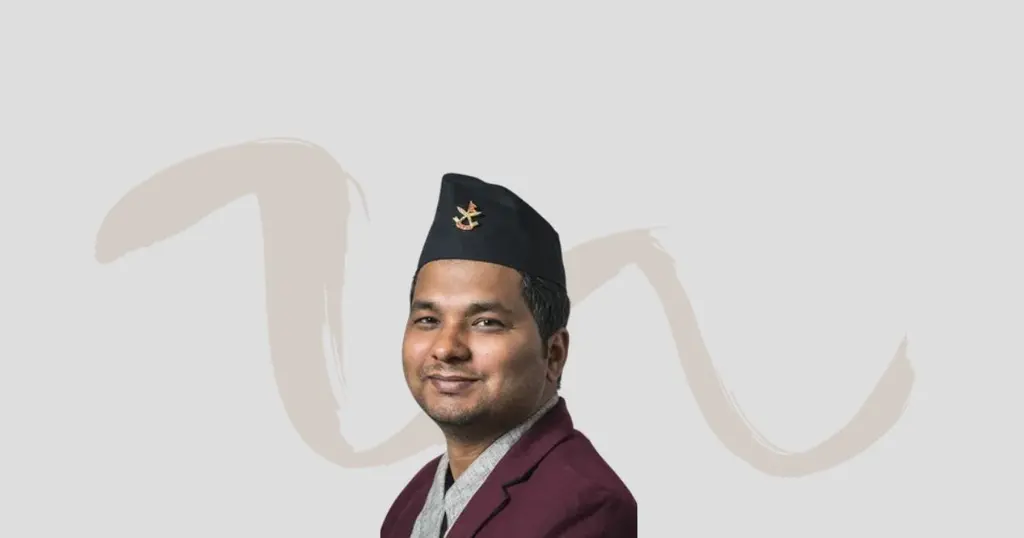
"If we can invest billions in weapons, surely we can invest in the systems, laws and policies that keep our children safe."
What does it take to break cycles of violence? For Suresh Chhetry, the answer begins in schools, with children, teachers, and parents learning to create safer, more compassionate communities together.
Suresh is a Brave Movement co-founder from Nepal and the founder of Healing Together Nepal, where he works to bring trauma-informed education and prevention into schools and communities.
This November 17–19, Suresh will be heading to the Philippines as part of the Global Survivor Council for the second Global Ministerial Conference on Ending Violence Against Children. It's an important opportunity to bring survivor voices and leadership into global conversations about how we protect children and prevent violence.
I have had the privilege of watching Suresh grow as a leader over the years. What inspires me most is how he has connected his own healing journey with a commitment to preventing childhood sexual violence. As a male survivor speaking publicly in a region where stigma remains a significant barrier, he is helping open conversations that have been silenced for too long.
Our conversation reminded me that prevention is not simply about protecting children from harm. It is about transforming the environments in which they grow up, and giving them the knowledge, confidence, and support to thrive.
Here is our conversation, in his own words.
Resilient, empathetic, and visionary.
I would start with resilient because of everything I experienced growing up in Nepal, including poverty, difficult family relationships, and childhood sexual violence. Those experiences made me strong, but I also recognize that sometimes resilience means learning to disconnect from difficult emotions.
Through my work on trauma and healing, I have come to understand myself better. That is why I chose empathy. I am increasingly aware of what others may be experiencing, and I try to bring compassion into my relationships and work.
The third word is visionary. When I was 18, I started a club to support children and education in my community. Even then, I wanted to create opportunities for children who did not have them.
Today, through Healing Together Nepal, that vision has grown into something bigger: changing how we raise, educate, and care for children.
I am most proud of the work we are doing through Healing Together Nepal, especially bringing trauma-informed approaches into schools.
In Nepal, many children grow up in environments where adults make all the decisions, discipline can involve violence, and children's voices are not always heard. We are trying to shift that culture toward one that is more compassionate, participatory, and child-centered.
One of my proudest moments was watching parents, teachers, and students sitting together during our first trauma-informed child participatory schools and communities (TICPS) trainings, learning from one another and developing shared commitments for their schools and communities.
Seeing children participate alongside adults was incredibly powerful. It showed me that change is possible.
We are now working to make life skills, social-emotional learning, and trauma-informed education part of ongoing school programs, rather than one-time activities. I want children to grow up understanding who they are, what they feel, and what they want for their futures.
This work is also part of my own healing. As I help create healthier environments for children, I continue to understand and heal from my own childhood experiences.
"As a male survivor of childhood sexual violence, I know how difficult it can be to speak publicly. In Nepal and across South Asia, relatively few male survivors share their stories or become advocates. There is still a great deal of stigma and silence. I wanted to help change that."
I also joined because I believe something very strongly: childhood sexual violence is preventable.
Prevention requires parents, teachers, communities, governments, and survivors to work together. We need safer environments, stronger education, and children who understand their rights and know how to seek help.
Brave offered an opportunity to be part of a global movement working toward that goal. I believe there is tremendous power in survivors of different genders and backgrounds standing together and advocating for change.
Becoming a co-founder has been one of the great honors of my life.
Brave has changed my life in ways that go far beyond advocacy.
I was already speaking publicly about my experiences before joining, but I had not fully processed everything that came with identifying as a survivor. There was still guilt and shame.
Being part of Brave, especially the community of fellow survivor leaders in the SAGE group, gave me space to continue that journey.
It took time, but I reached a point where I could say openly and without shame that I am a survivor. I understand now, in a much deeper way, that what happened to me was not my fault.
"Brave also opened doors I never imagined. I remember traveling to Germany for one of our early advocacy efforts and seeing childhood sexual violence recognized in discussions connected to the G20. I became overwhelmed with emotion and started crying. Growing up, sexual violence was something many children around me experienced, but nobody really talked about. Seeing the issue acknowledged internationally was extraordinary."
Since then, I have spoken at international events, including the Preventing Sexual Violence in Conflict Initiative conference in London, and contributed to other global policy discussions.
These experiences have helped me grow in confidence. They have also reinforced how important it is for survivors from countries like Nepal to have a voice in international spaces.
Most importantly, Brave has shown me that I am not alone.
My greatest joy comes from my family, especially my children.
My daughter is seven, and my son is four and a half. When I come home, I love playing with them. Those moments are very special to me.
I also enjoy traveling and spending time in nature. Being outdoors brings me peace.
And perhaps not surprisingly, I spend a lot of my free time learning about trauma and healing! I enjoy podcasts and conversations about mental health, personal growth, and recovery.
For me, learning brings both joy and purpose.
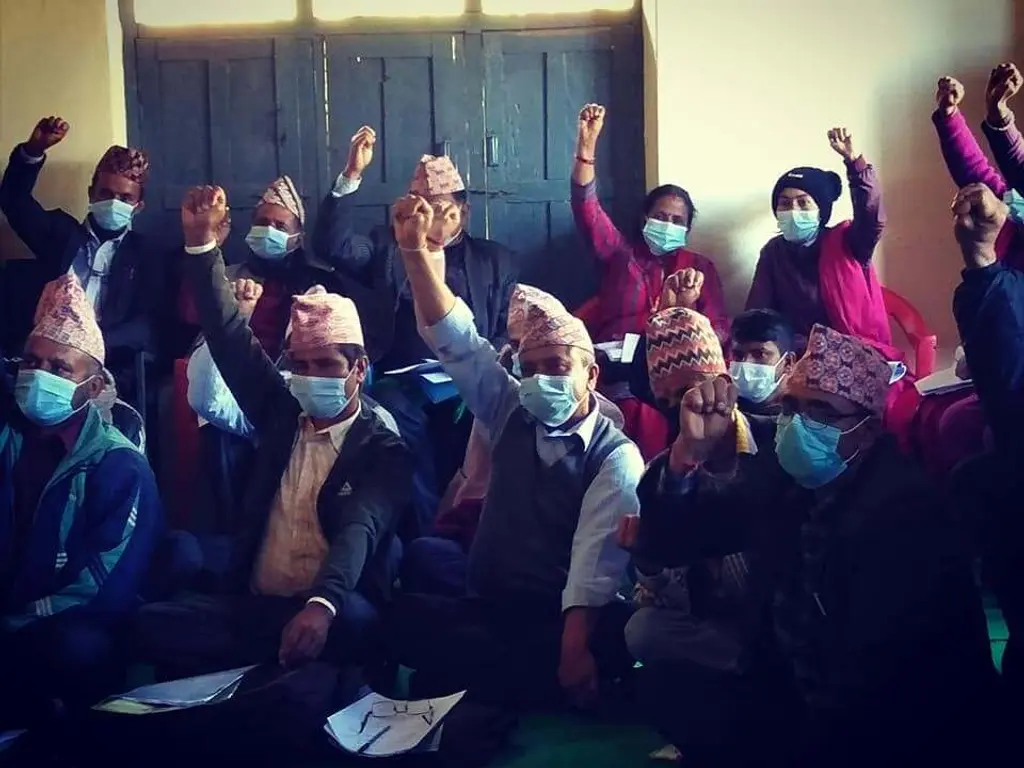
The first photograph is from one of our early Healing Together Nepal training sessions in Baglung, the district where I grew up.
It is especially meaningful because I was returning to a community where I had experienced childhood sexual violence, but this time to help create change.
During this trauma healing training, I had the opportunity to train the teachers who once taught me as a child. It was also a chance to share something deeply personal with them: I am a survivor of childhood sexual violence perpetrated by a teacher.
Through our work with schools, parents, and teachers, we were helping people understand trauma and create safer environments for children. That experience gave me a deep sense of purpose.
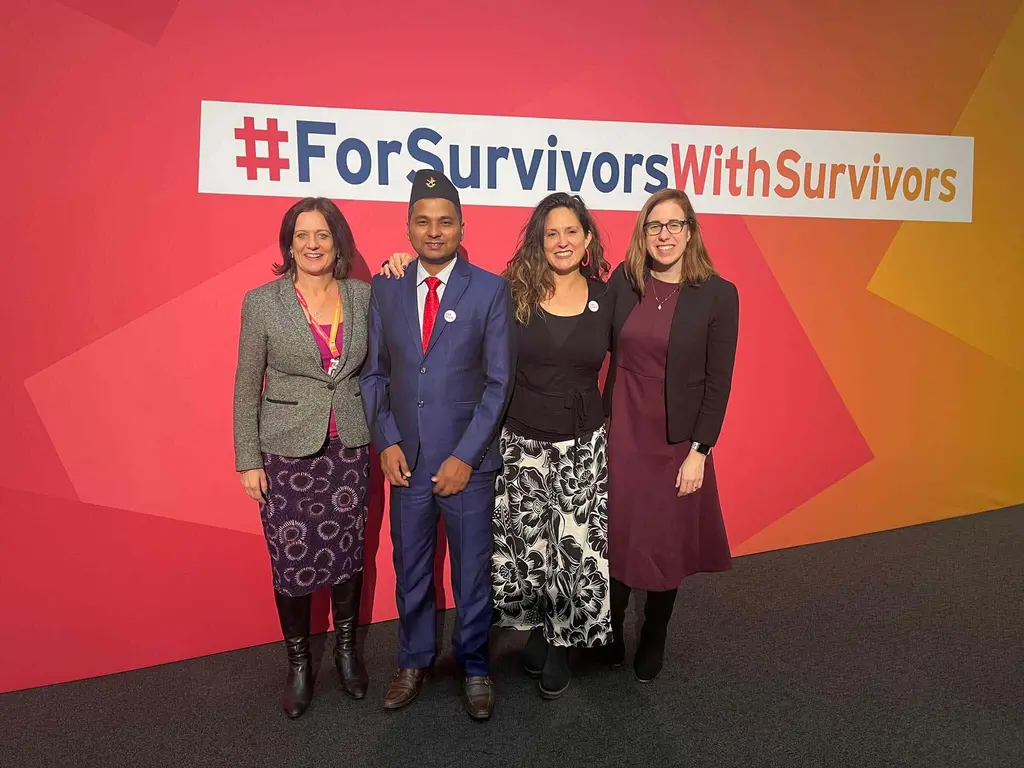
The second photograph is from the Preventing Sexual Violence in Conflict Initiative conference in London, where I spoke as part of the Brave Movement.
I remember being incredibly nervous. Speaking in English before an international audience was challenging, but I did it. I was proud of myself, and grateful to be surrounded by other Brave co-founders and colleagues.
That moment helped me realize that my voice mattered, even when speaking up felt difficult.
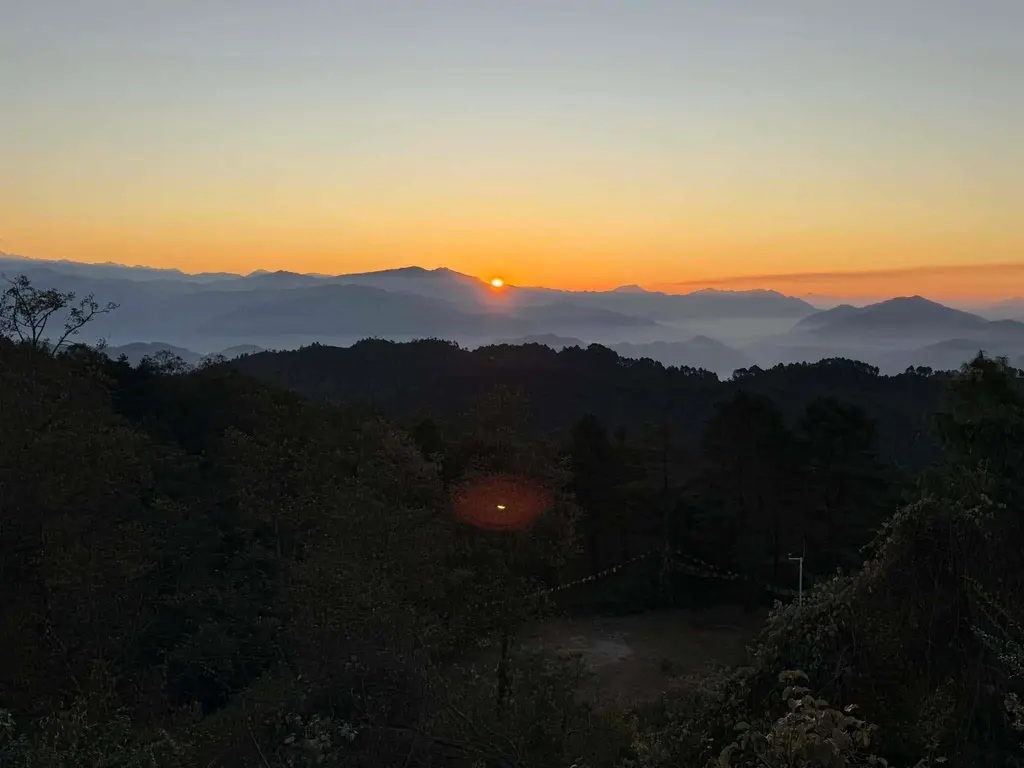
The beautiful landscape picture is from the place where our team went for a healing -retreat in Nagarkot, Nepal.
"Young people bring me hope. I love their energy, their ideas, and their willingness to question things and create change. They are growing up in a different world and understand challenges that my generation did not face in the same way."
For example, when I was growing up in my village, online sexual violence was not something we had to think about. Today, it is a serious concern for children around the world.
Young people understand these realities, and they need to be part of developing solutions.
My work in schools gives me hope because I see what happens when children are given opportunities to participate, learn, and express themselves.
I believe education is one of our greatest tools for prevention. When children understand their rights, develop life skills, and grow up in supportive environments, we can prevent harm before it happens.
That possibility of a different future gives me hope.
I would love to see Brave become much stronger across South Asia, particularly in Nepal.
There is tremendous potential to build survivor-led advocacy, connect organizations, and work with governments to strengthen prevention and protection.
In 10 years, I hope Brave will have strong national and regional platforms around the world, with survivors helping shape policies and hold governments accountable.
"I also hope we will be working much more closely with schools and communities. Global advocacy is important, but lasting change also happens locally."
For me, success would mean seeing survivor leadership become a normal part of decision-making and governments investing seriously in preventing childhood sexual violence.
My message is simple: childhood sexual violence is preventable, and we must do more to prevent it.
We spend enormous amounts of money around the world on weapons, defense, and conflict. Yet we are not investing nearly enough in protecting our children.
I believe we need to rethink our priorities.
"The effects of childhood sexual violence do not necessarily end when childhood ends. They can affect relationships, marriage, parenting, and even how we worry about our own children and grandchildren."
I know this from my own life. As a father, when one of my children comes home upset from school, sometimes my mind immediately goes to worrying about what might have happened. Those fears can be connected to experiences from long ago.
That is why prevention matters so much. We are not only protecting children today. We are helping prevent harm that can affect families across generations.
Governments need to invest more in education, trauma-informed approaches, safe schools, and the systems that help children recognize harm and seek support.
We have the knowledge to do better. What we need now is the commitment to act.
There is nothing more important.
Stay tuned for more interviews with our co-founders as we continue to spotlight the power of survivor leadership in the Brave Movement.