Sensitive content
This site contains sensitive content that includes references to sexual violence.
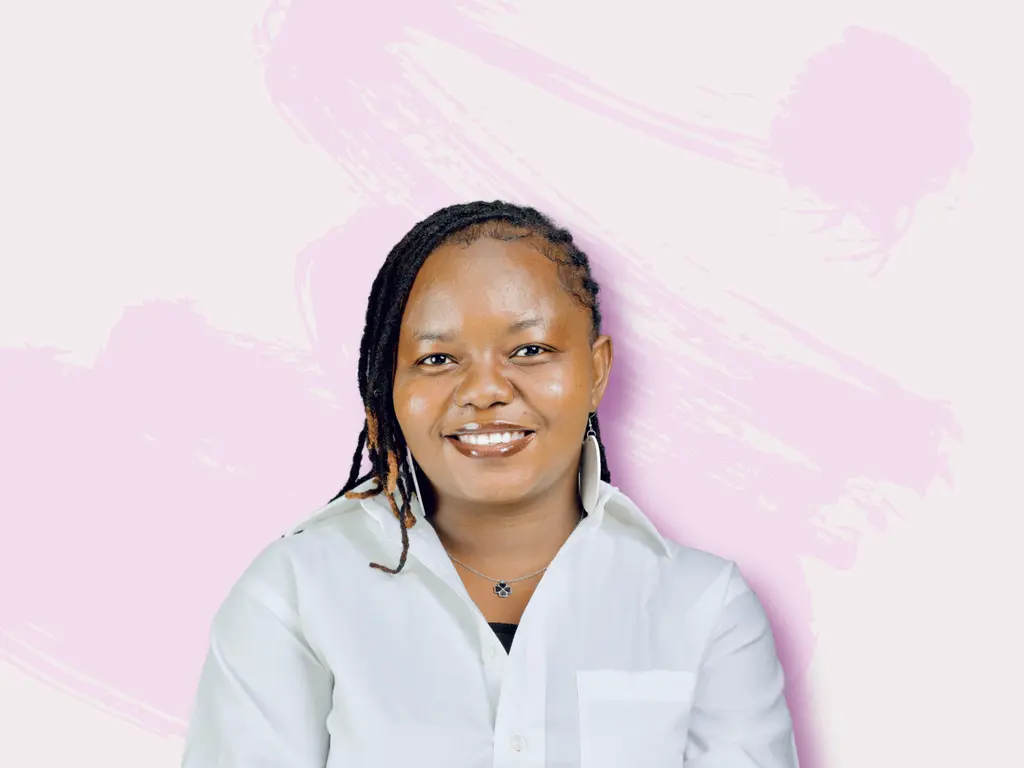
"My greatest motivation is turning the questions I once carried into knowledge, safe spaces, and support for young people facing similar struggles"
Morenikejimi Olaniran is a member of the Global Survivor Council from Nigeria, working alongside policymakers and civil society so that survivor voices help shape action to end violence against children.
Morenikejimi is participating in Nigeria’s national preparatory sessions ahead of the 2nd Global Ministerial Conference on Ending Violence Against Children, where she’s bringing her lived experience and expertise to inform the pledges Nigeria will make at the conference. She is also part of the organizing committee for the upcoming Youth and Survivor Summit. Alongside her work with the Council, Morenikejimi supports adolescents and young people in vulnerable and displaced communities to build knowledge, confidence, and agency to shape the decisions that affect their lives.
Below, Morenikejimi shares her work, its impact, and why she believes meaningful change starts with listening to young people and survivors.
I work as a project lead at the Centre for Teens Health and Development (Centre4teens). We are a youth-focused organization in Nigeria supporting the health, wellbeing, protection, and development of adolescents and young people, particularly those in internally displaced people (IDP) camps.
We create safe spaces where young people can ask questions without fear of judgement, understand their rights and bodies, build confidence, and make informed decisions about their health and future. We respond to mental health, sexual and reproductive health, period poverty, and gender-based violence through free training and the distribution of reusable pads, underwear, and personal hygiene supplies.
Many of the young people we serve are navigating these challenges with limited support and resources. By meeting them where they are, we equip them with support to make healthier choices, protect themselves, and become active participants in shaping their communities.
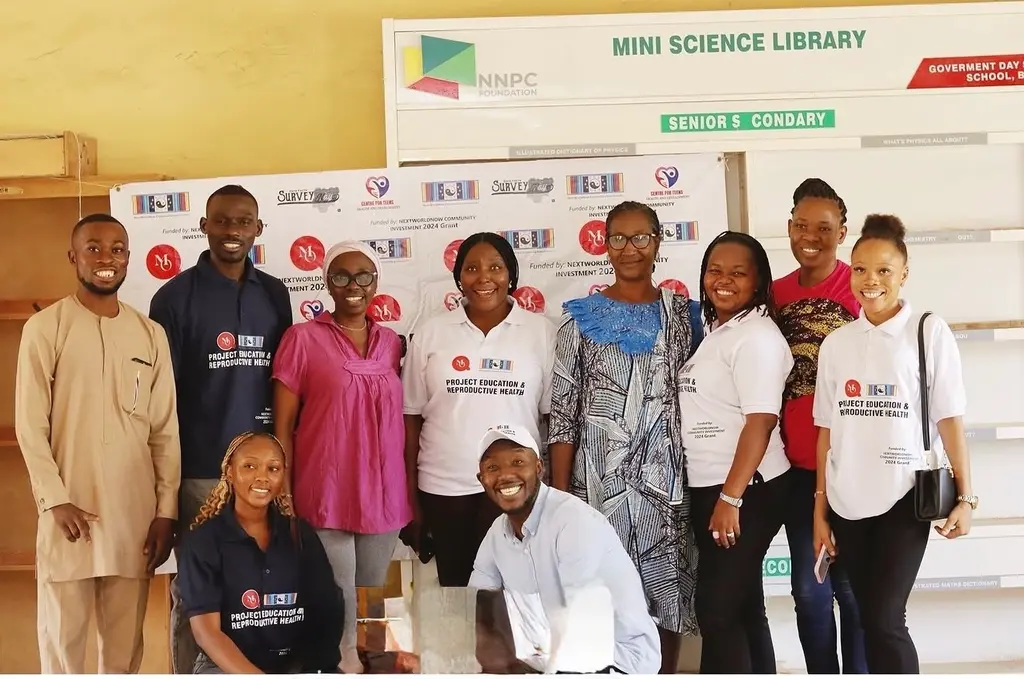
The impact is not only in the number of young people we reach, but in the changes we see in their confidence, knowledge, and ability to make informed decisions. Adolescents are becoming more comfortable talking about topics like consent, mental health, sexual and reproductive health, and protection from violence. Through counseling and mentorship, we also see them building resilience while navigating difficult experiences.
We are seeing young people increasingly recognize that their voices matter.
They are asking questions, speaking up, challenging harmful beliefs, becoming advocates for their own wellbeing, and positively changing their families and communities.
When I began this work, I often felt the pressure to see immediate results and wondered whether every intervention was making a difference. With time, I have learned that impact is not always immediate or visible. Sometimes, it is a young person asking a question they were previously afraid to ask, someone gaining the confidence to speak up, or a teenager remembering something we taught them months or even years later when they need it most.
"I wish I knew that meaningful change takes time. I also wish I understood that I did not have to do everything alone"
Sustainable change requires collaboration, listening to communities, learning from others, and creating space for young people themselves to shape the solutions that affect their lives. Learning this has made me more patient, intentional, and community-centred in my work. It has reminded me that every small step matters, and that sometimes the seeds we plant today become visible much later.
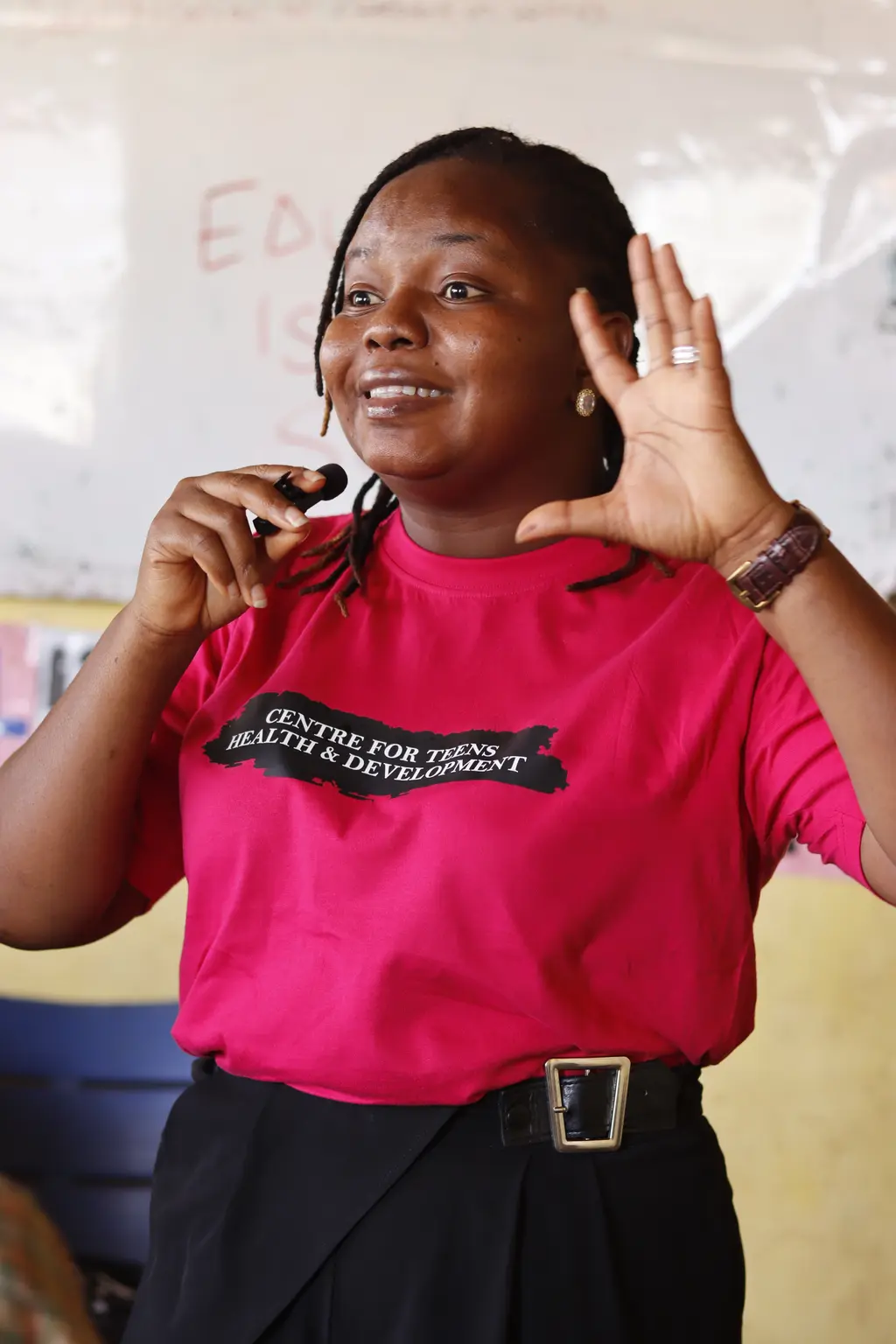
"My greatest motivation is turning the questions I once carried into knowledge, safe spaces, and support for young people facing similar struggles"
My lived experiences are at the heart of my advocacy journey, which began 10 years ago.
As a child, I carried so many questions: Why was my life different from my peers? Why was I constantly craving love and acceptance? I menstruated for two years before understanding what menstruation was, and lived with polyendocrine metabolic ovarian syndrome (PMOS) for years before receiving a diagnosis.
I also experienced physical, emotional, sexual, and mental abuse and neglect before I had the words or understanding to name what was happening to me.
Those experiences shaped me deeply. I do not want another young person to grow up confused about their experiences, questioning their worth, or feeling overwhelmed because they could not understand what they were going through. So I began by learning: researching, asking questions, unlearning harmful beliefs, and seeking knowledge.
Governments can develop strong laws, policies and commitments, but real change happens when these reach the communities where children live, learn and grow. This means sustained investment in prevention, survivor-centered support, mental health services, child protection systems, education, and safe reporting mechanisms, particularly for children in vulnerable, underserved, and displaced communities.
"Children and young people must not only be seen as beneficiaries of protection policies, but as partners in shaping the solutions that affect their lives."
Governments must listen to survivors and young people. Not simply to invite them to speak, but to create meaningful opportunities for their experiences and recommendations to shape decisions, implementation and accountability.
Every child deserves to grow up safe, heard, protected and supported. At the 2nd Global Ministerial Conference, I hope governments turn their commitments into resourced action, stronger systems and accountability.