Sensitive content
This site contains sensitive content that includes references to sexual violence.
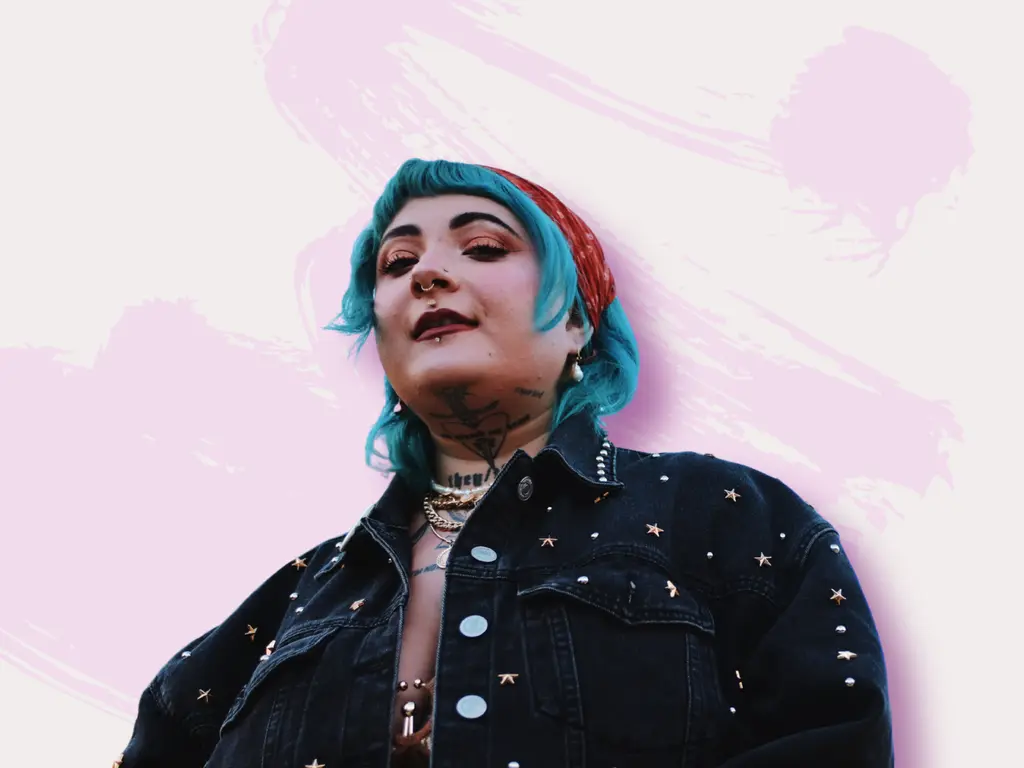
"What started as a fight for my own safety became a much larger fight to make sure others don’t have to navigate this internet landscape alone."
Leah Juliett is a member of the Global Survivor Council from the United States, bringing their lived experience of technology-facilitated sexual abuse to global advocacy for safer digital spaces. An advocate, organizer and storyteller, Leah works at the intersection of technology, gender-based violence and survivor justice, and is using their voice ahead of the 2nd Global Ministerial Conference on Ending Violence Against Children in November to call for stronger action on online safety.
Below, Leah shares what brought them to this work, what they have learned along the way, and why they believe survivors have a vital role to play in shaping a safer future.
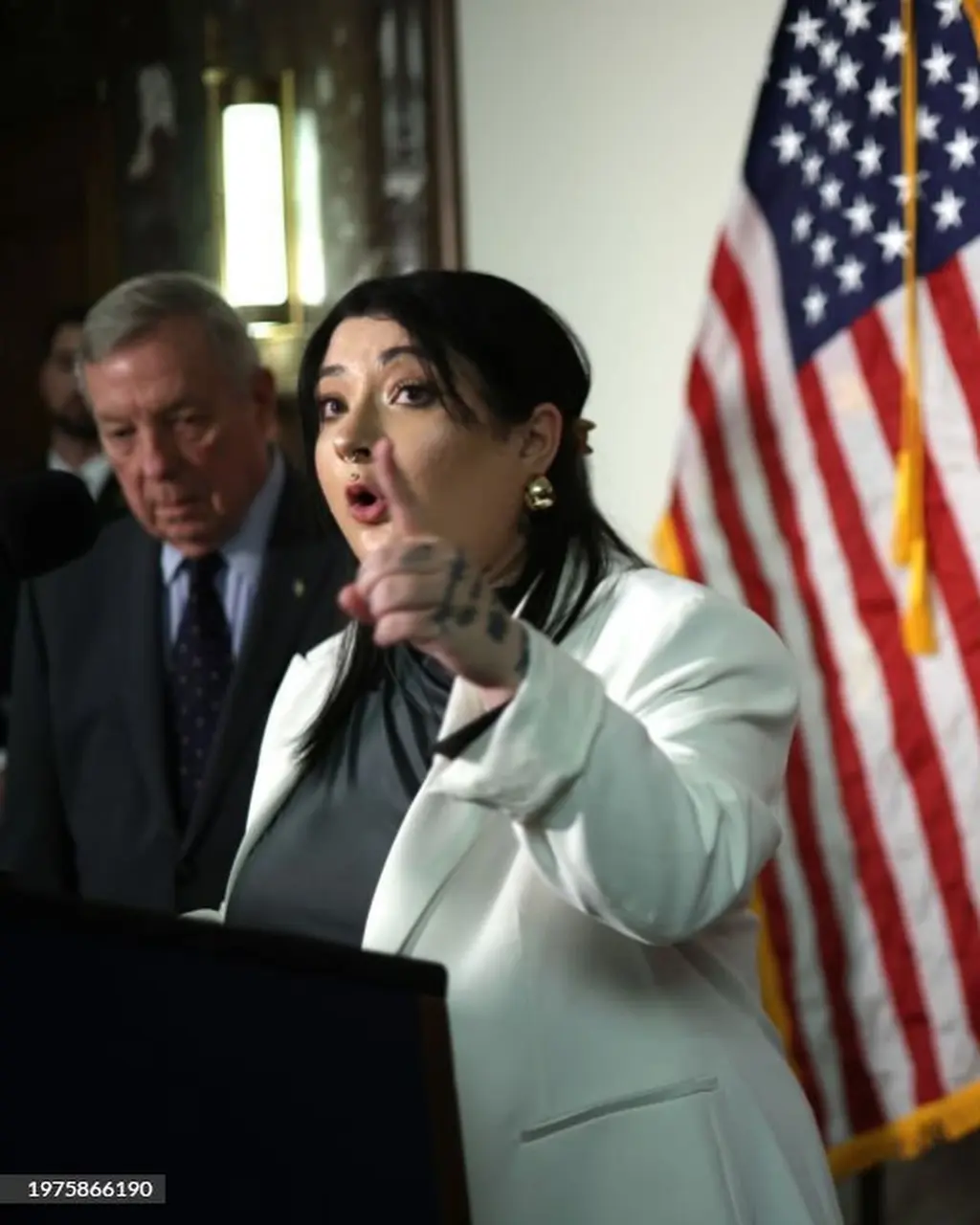
I’ve spent the last decade working at the intersection of technology, gender-based violence, LGBTQ+ rights, and survivor justice. I came into this work through my own experience with image-based sexual abuse and child sexual abuse material (CSAM) as a young student in Connecticut. What started as a fight for my own safety became a much larger fight to make sure others don’t have to navigate this internet landscape alone.
Today, my work spans advocacy, storytelling, policy, and digital organizing. I work to make image-based sexual abuse, AI-generated abuse, online stalking, sextortion, and other forms of technology-facilitated violence impossible to ignore, while pushing the people and institutions with power to act.
Technology is deeply intertwined with how we live every day. When it is used to abuse someone, the harm can affect their safety, relationships, livelihood, mental health, and ability to feel at home in their own body.
Survivors like me deserve prevention, accountability, meaningful laws, and technology designed with our safety in mind from the beginning.
One of the most meaningful changes I’ve seen is that conversations that were once dismissed as private, individual problems are increasingly being recognized as systemic issues that require systemic solutions.
I’ve had the opportunity to bring survivor experiences into rooms where survivors historically weren’t present: from conversations with policymakers and federal leaders in the White House to major technology companies and international spaces with Global Survivors Councils.
I’ve also watched survivor advocacy contribute to concrete policy changes, including federal legislation addressing the nonconsensual sharing of intimate images and AI-generated sexual abuse in the United States.
It’s watching survivors move from being treated as evidence of a problem to being recognized as experts in solving it. That shift, from “something happened to us” to “we have the power to change what happens next,” is the impact I care about most in my work.
"It’s the person who tells me they finally have language for something that happened to them. It’s a survivor who reaches out via email after hearing my story, realizing they aren’t the only one. It’s someone deciding to speak publicly for the first time. It’s a bereaved parent who lost their child to social media harm finding comfort advocating alongside me."
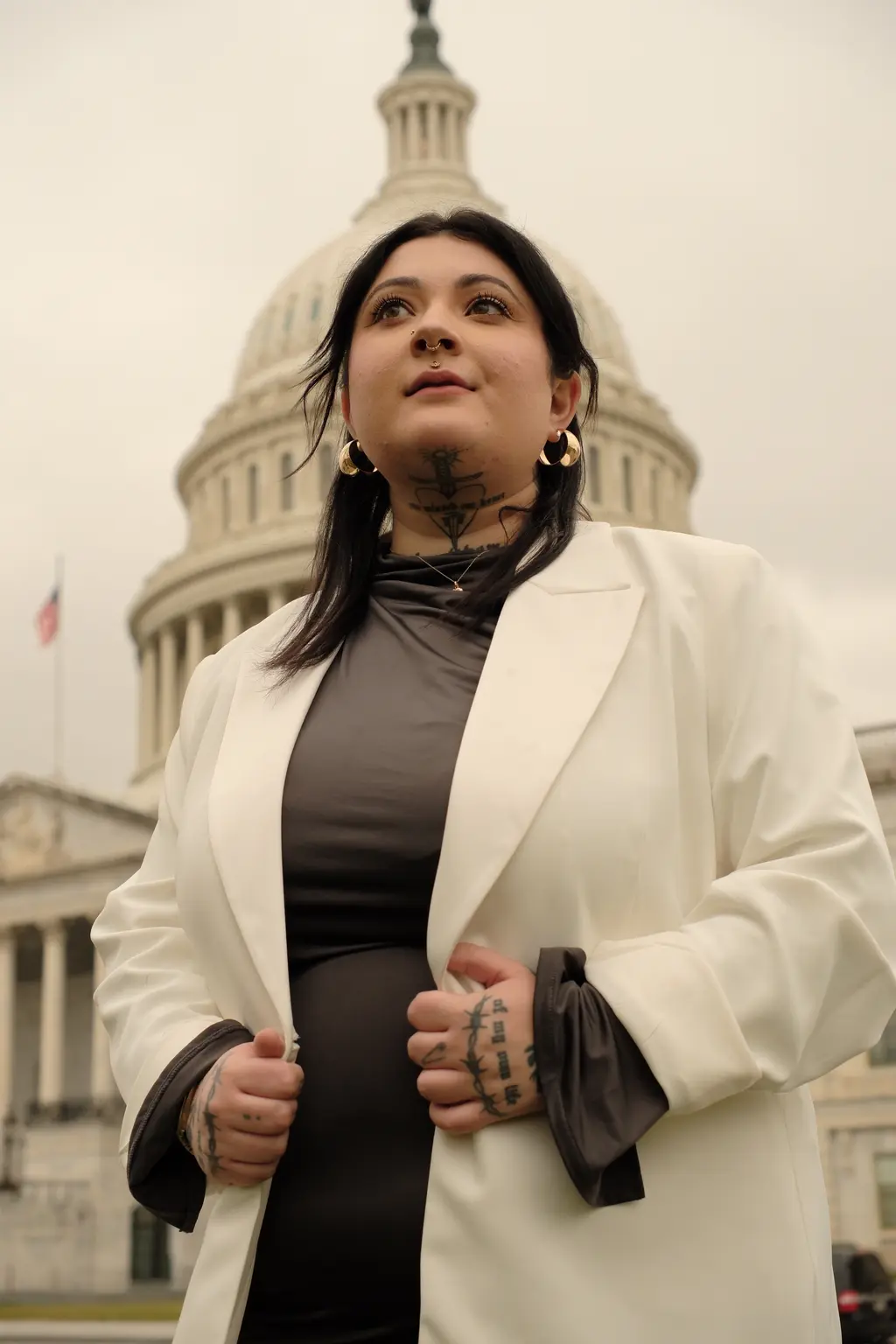
"I wish I knew that I didn’t have to prove that I was hurting enough to deserve to fight for change."
When I started my activism as a 19-year-old college student, I was overwhelmed. I thought I needed to have all the answers, say everything perfectly on camera, understand my own trauma, and somehow become an expert in online harms before I was allowed to take up space in these conversations. I was very young, and I was learning everything while I was doing it.
I also wish I had understood sooner that movements are not built by one person carrying everything alone.
We need other survivors. We need people who will tell us when we’re wrong. We all need people who can hold us when the work gets heavy and remind us that our lives are bigger than the abuse we’re fighting.
I wish my younger self knew that I was allowed to build a meaningful life while I was building a movement. I’m glad that I know that now.
Now, I understand that lived experience is real institutional knowledge. You can be learning and leading at the same time. Movement leaders can be hurting and healing, too. That humanity is where our power is.
Survivors inspire me most. I’m continually moved by people who have had something taken from them, whether that is privacy, safety, trust, or a sense of control over their own bodies, and still find a way to imagine a future beyond what happened to them.
I’m especially inspired by survivors who refuse to be reduced to their trauma or survivor status. They are everyday people who turn their lived experiences into art, advocacy, community, policy, friendships, joy, or simply a life that belongs entirely to them again.
That is reclamation. That is survival… to keep going, keep loving people, keep creating, keep showing up for each other in spite of the odds.
That kind of resilience is not abstract to me, nor can it be measured metaphorically. I have seen it up close.
Young people remind me that our goal is to build something fundamentally different than the status quo we grew up with.
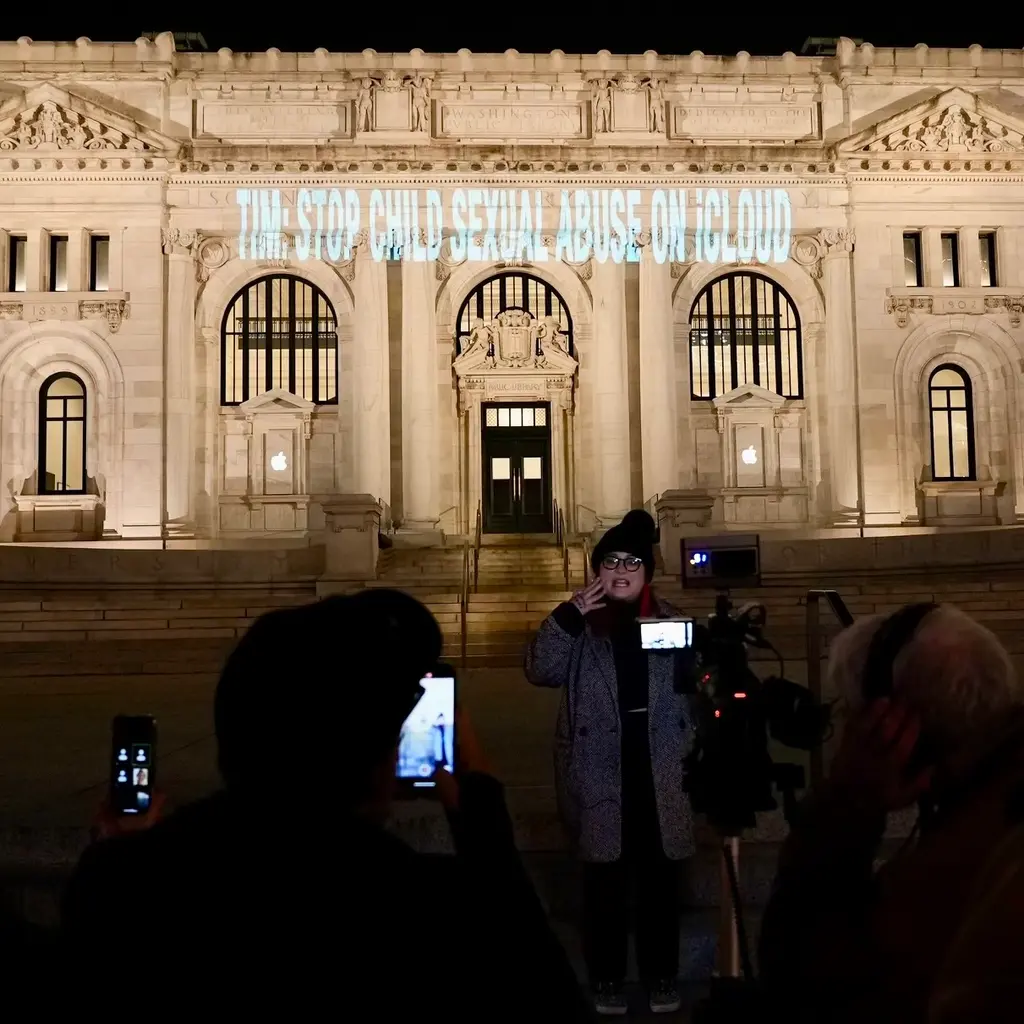
"I’m always inspired by young people coming into this movement now. They are asking harder questions about technology, power, consent, and what safety should actually look like in public."
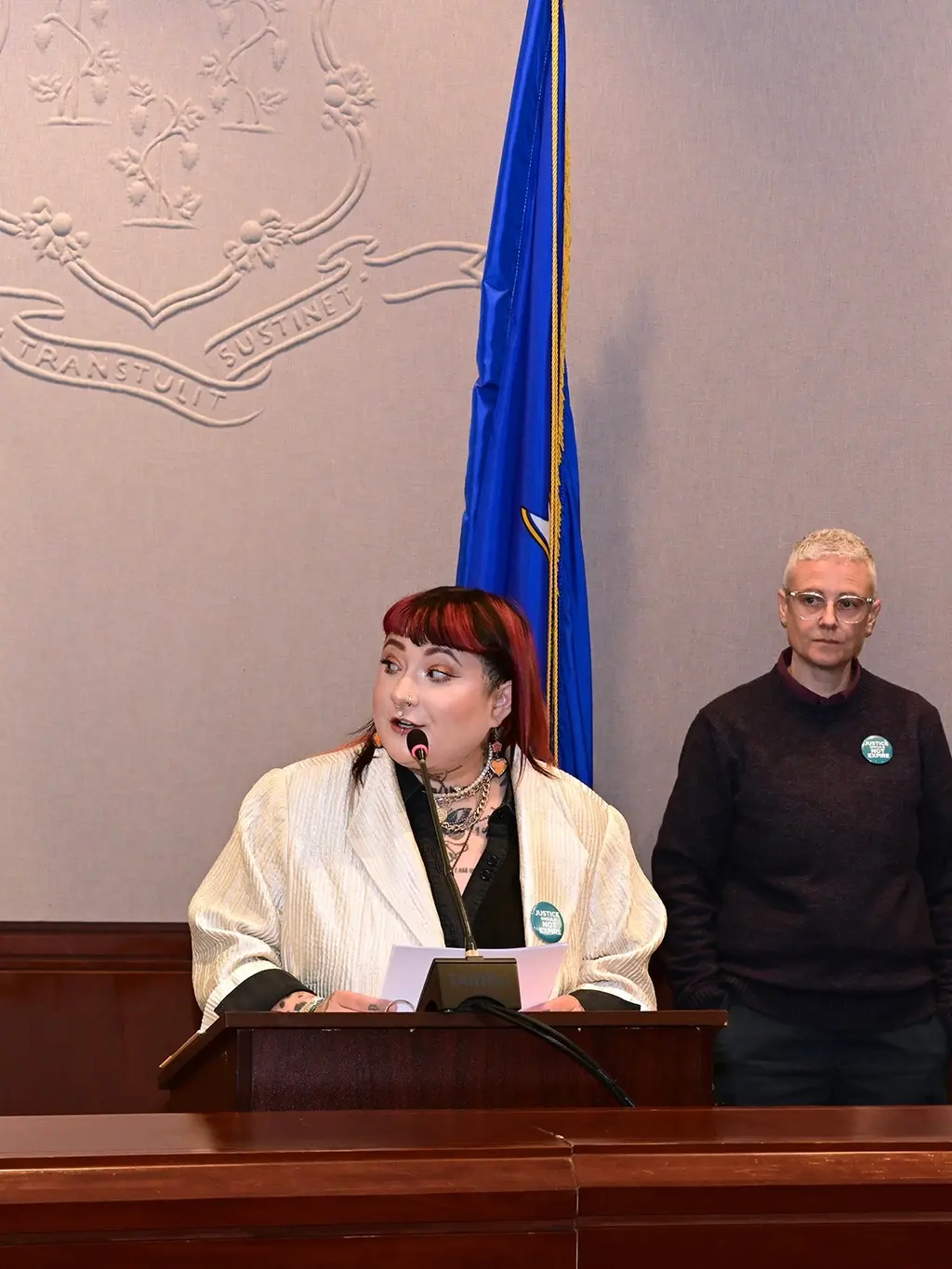
"Survivors are telling you how to prevent harm. You need to be willing to listen."
Survivors aren’t looking to be saved. We want to be listened to, included, prioritized in policy-making, and treated as essential stakeholders in building a world that is better and safer than the one we were abused in.
Too often, survivors like me are invited into conversations after the decisions have already been made. We’re asked to tell our trauma stories, but not given a meaningful role in shaping the outcomes that impact us.
Leaders: Pay survivors for our expertise. Bring survivors into the room before the crisis. Invest in prevention, not just harm mitigation. Believe what we tell you. Build accountability into your systems. Remember, our lived experience is not a liability to manage. Survivors can actively make your decisions better.
You don’t need to have lived through online harms to care about preventing them.