Sensitive content
This site contains sensitive content that includes references to sexual violence.

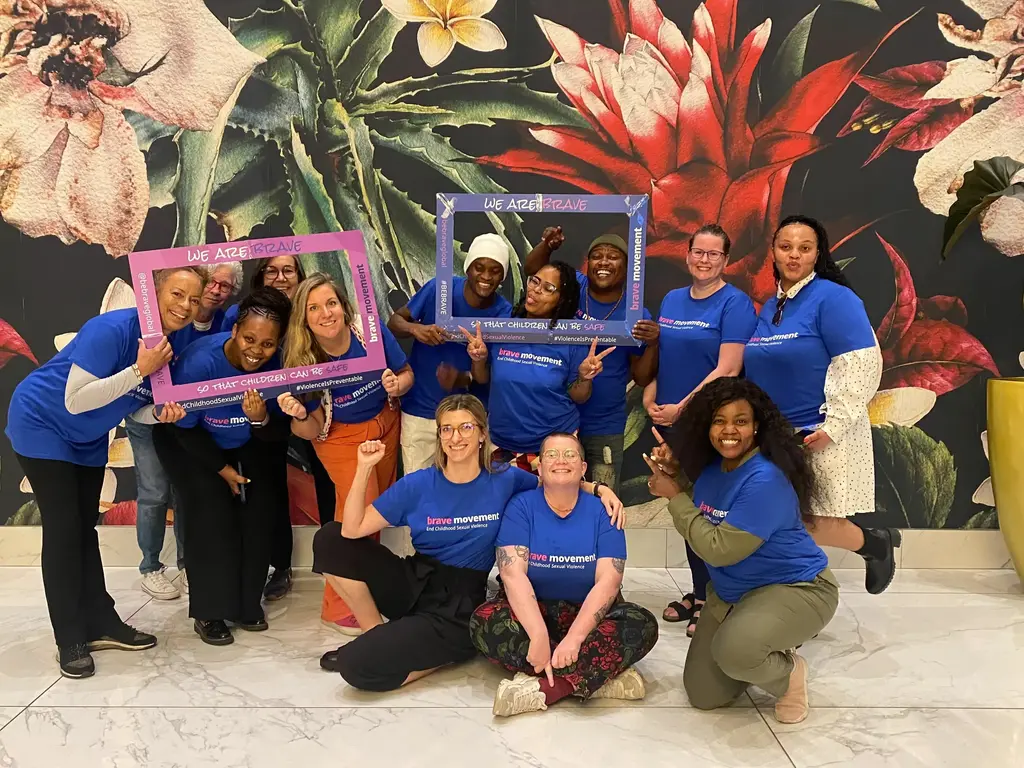
This month has been an extraordinary one for our survivor-centered advocacy and activism –a roll call of achievements, events and involvements like no other.
December 1, 2025
|
As a survivor, I speak with the weight of lived experience. As an advocate, I speak for the countless children whose voices are still silenced
June 5, 2025
|
Seven of the richest nations do not have a complete national action plan - that includes prevention, healing and justice - to address childhood sex abuse
June 5, 2025
|
A statute of limitation in relation to childhood sexual violence defines the maximum amount of time a victim can wait before starting legal proceedings against the perpetrators. Setting this limit for survivors of childhood sexual abuse is harmful as it means that many do not recieve justice if they can’t speak up within the imposed deadline, which is usually an arbitrary amount of time. Governments retaining these harmful statutes of limitation for survivors of childhood sexual abuse is not only deeply unfair to victims but dangerous for future generations and extremely costly for society. For these reasons it's not surprising that the complete elimination of statutes of limitations in relation to childhood sexual violence of is one of the highest priorities of the global survivor movement. Unfortunately for them, evidence obtained from countries that have no statutes of limitations in relation to childhood sexual violence disprove that claim. There are some types of evidence that survive the passage of time such as a criminals' confessions, DNA, child sex abuse material, the internal archives of institutions that have shielded abusers (i.e. catholic church, boy scouts) or multiple victims who describe the same modus operandi committed by a common perpetrator. The European commission and the European Parliament want to change this outrageous situation by including a legally binding common standard on the new directive against child sexual abuse. On Tuesday 17th of June, the European Parliament will vote their proposal to establish in the new directive that there should be no criminal or civil statute of limitations in child sexual abuse cases.
June 4, 2025
|
Three countries, three big wins in the last seven days in the fight to end violence against children.
May 20, 2025
|

WASHINGTON DC, 19 May 2025 – The Brave Movement – a global movement of survivors and allies working to end sexual violence against children and adolescents – has welcomed the signing into law today of the Take It Down Act. Brave Movement Founder and CEO of Together for Girls, Dr Daniela Ligiero said: “ Online child sexual exploitation and abuse is an epidemic, and one growing at an exponential rate. More than 300 million children have been affected by online child sexual exploitation and abuse in the last year, with 10 cases of abuse reported every second. In the run-up to the G7 Leaders’ Summit in Canada in June, the Brave Movement has called on all G7 countries to prioritize online safety as part of greater leadership action in ending all violence against children.

Support from France’s Prime Minister for the creation of a national survivor council has been welcomed by the Brave Movement as ” An essential step towards ending violence against children in France .” The announcement, made by François Bayrou today at the National Assembly in Paris brings closer the establishment of a body made-up of survivors of abuse, to advise on legislation, policies, and programs aimed at ending it. Brave stands ready to support the creation of a Council which can amplify survivor voices, provide an exchange platform for experts and survivors and serve as an invaluable resource in the development of policies tackling child sexual violence .” Constance Bertrand, French survivor spokesperson of the Saint-Dominique de Neuilly-sur-Seine survivors' group said: “ A National Council would be an initiative that gives victims a voice and a place.
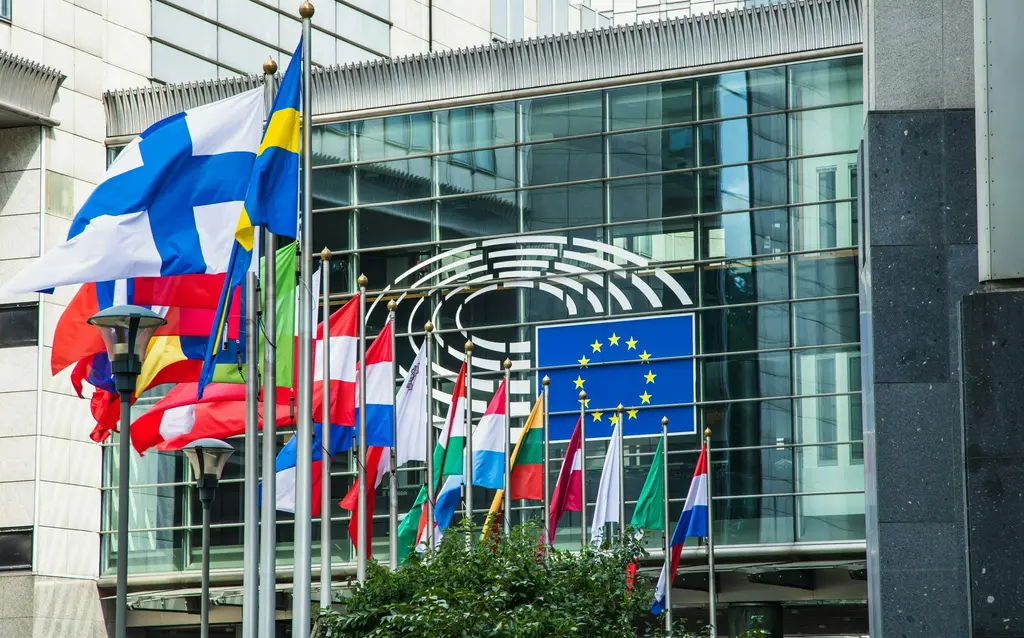
The Brave Movement welcomes the first-ever vote by MEPs in favour of abolishing time limits in all EU countries for the prosecution of child-sex offenders.

It specifically targets the distribution and threats of sharing non-consensual intimate images - including AI-generated content - as a federal crime, protecting survivors from further harm and ensuring that there are no loopholes for perpetrators based on location. Over 300 million children under the age of 18 have been affected by online child and sexual exploitation and abuse in the last 12 months. As the home to many of the world’s leading tech companies, the United States holds a unique position of responsibility and influence in shaping online child protection standards. The TAKE IT DOWN Act criminalizes the act of intentionally publishing or threatening to publish non-consensual intimate images, including AI-generated content, on online platforms. Violence, which might start in an online sphere, negatively impacts children in the physical world, such as bullying in school or acts of sexual violence physically perpetrated offline. Alarmingly, 1 in 8 children globally have been subjected to online solicitation, and 1 in 8 children have experienced taking, sharing, and or/exposure to sexual images and videos in the last 12 months. Online sexual violence can have serious emotional, health, and psychosocial impacts on children and youth, including into adulthood. I was a victim of technology-assisted child sexual abuse when I was 13 … It's been 21 years since my abuse, and I still live in fear of those images.
April 28, 2025
|