Sensitive content
This site contains sensitive content that includes references to sexual violence.
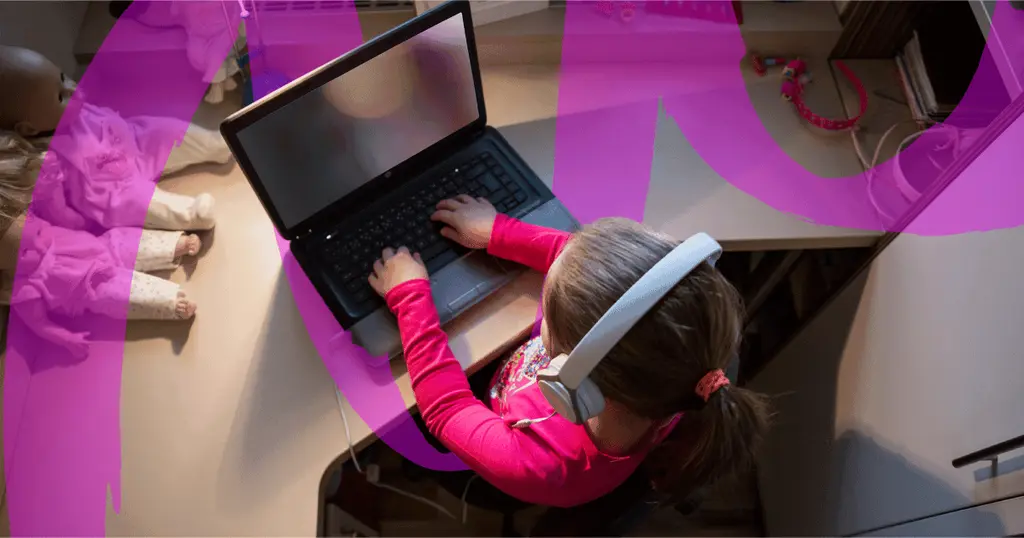
The perpetrators of online abuse may be known to the child or may be strangers who seek out children in online spaces intended for connection, gaming or other benign activities. In both cases of adults known in real life and those encountered solely on the internet, abuse may be facilitated with a process of manipulation called “grooming.”
Recognizing that online grooming is a deliberate abuse of a child's trust is the first step to spotting it, and it's also the foundation good legislation must be built on. Laws that make grooming illegal and define it clearly enough – as manipulation and trust-abuse, not only as “in-person abuse” – help protect children and families, and make sure people who try to harm children can be held accountable and prosecuted.
The Brave Movement seeks to create a safe digital environment where children can thrive by advocating and working with tech companies, governments, and regulatory bodies to achieve necessary systems change.
If this topic affects you personally, find support resources in your country, or reach out to a trusted adult, counselor, or local support service.
Grooming is a process of manipulation of a child with the intent to sexually exploit or abuse them. An adult gains a child's trust – often by pretending to be younger, offering gifts, or making the child feel special – and then gradually pushes boundaries. This might involve sharing sexual content, asking for photos, or coercing the child into sexual acts on camera. Some grooming leads to an in-person meeting; a lot of it doesn't need to, because the abuse already happens online.
This is the part that's easy to misunderstand: grooming doesn't always look like an obvious threat. It's built to feel like trust, friendship, or even affection. That's the point. An offender deliberately earns a child's confidence – listening, complimenting, "getting" them in a way that feels special – specifically so the child won't question what comes next, won't tell a parent, and may not even recognize what's happening as abuse.
This is why grooming is so often described as an abuse of trust, not just a sexual offense. The harm isn't only what eventually happens – it's the entire relationship, engineered from the start to manipulate a child into compliance and silence. Understanding this dynamic changes how the problem needs to be treated, both by parents and by the law.
CSAM stands for child sexual abuse material. It depicts or is connected to the sexual abuse or exploitation of a child. This term is used to describe photos, screenshots, altered images, videos, livestreams, or any other content – including AI generated or manipulated content – which shows the sexual abuse or exploitation of a minor.
It refers to CSAM offenses that specifically account for how technology is used to create, alter, store, or circulate child sexual abuse material – including AI-generated or digitally manipulated content. Laws that don't address this fall behind as technology evolves. This gap is becoming urgent fast: reports of AI-generated child sexual abuse material rose 1,325% in a single year, according to the National Center for Missing and Exploited Children.
Parents, caregivers and educators should look for patterns in behavior. Some signs can include:
- A child becomes secretive about a device, app, game, or online contact.
- An unknown person gives gifts, money, digital items, rides, or special attention.
- The child uses sexual language that seems unusual for their age.
- A contact encourages the child to hide conversations from parents or teachers.
- The child is anxious, withdrawn, unusually defensive, or afraid of losing access to a person or platform.
- Someone asks for images, threatens exposure, or pressures the child to move to encrypted or private apps.
Respond calmly. Children often stay silent because they fear punishment, embarrassment, or not being believed. A calm response makes it more likely they will share enough information for adults to help.
No. Grooming can happen online, with or without the intention to meet. Grooming is a manipulative process through which an adult seeks to develop an inappropriate relationship with or gain the trust of a child for sexual purposes.
This may involve desensitization, non-contact sexual violence, or exploitation with or without the intent to meet in person.
Criminalization of grooming – with or without the intention to meet – provides an important social guardrail for children and families and ensures perpetrators can be held accountable when they are trying to harm children.
It's tempting to think of online grooming as a "digital" problem – something that happens on a screen and stays there. It doesn't. Because the abuse is real, even when it never involves physical contact, its effects follow a child into the rest of their life. This is especially true if the groomer has managed to gain photos, a home address or any other personal information.
Children who have been groomed often carry the impact well beyond the original conversations or images. This can show up as anxiety, depression, difficulty trusting people, disrupted relationships with friends or family, problems at school, and a lasting sense of shame or self-blame – even though the abuse was never their fault. Because grooming is built on manipulation and secrecy, many children don't disclose what happened for months or years, which can delay support and compound the impact.
This is a key reason grooming can't be dismissed as a lesser offense just because it "only" happened online. The psychological harm is comparable to other forms of child sexual abuse, and in some cases the isolation and secrecy involved – a child hiding what's happening from the people closest to them – make the road to recovery even harder.
Recognizing that online abuse causes real, lasting, offline harm is part of why treating it seriously in law and in public awareness matters as much as it does.
Prevention works best when it combines trust, boundaries, and realistic digital awareness. Children need to know they can ask for help without automatically losing devices, friendships, or privileges. Fear-based rules can push problems underground.
Use these steps as a starting point:
Create open conversations early. Talk about privacy, consent, secrets, and uncomfortable messages before there is a crisis.
Name manipulation tactics. Explain that flattery, gifts, threats, and “don’t tell your parents” requests can be warning signs.
Review privacy settings together. Check gaming platforms, messaging apps, social profiles, cloud albums, and location sharing.
Set rules for images. Children should know never to send private images and to seek help if anyone asks.
Respond without blame. If a child discloses grooming or exploitation, say clearly: “You are not in trouble. I’m glad you told me.”
Report suspected exploitation. Contact local authorities when appropriate, and call emergency services if there is immediate danger.
Adults should also model safe behavior. Do not repost disturbing screenshots to “raise awareness.” Do not ask others to verify suspected CSAM. Do not preserve illegal content on personal devices. Reporting is helpful; spreading is harmful.
Both survivors and others with lived experience – parents, friends and teachers – recognize clearly that children are being exposed to serious risks through tech products designed to maximize engagement. Kids should not have to trade their privacy or safety for access to the digital world.
It is everyone’s responsibility to keep kids safe, but many of the most important opportunities to improve safety are within tech companies’ control, and it’s the role of government regulators to provide oversight.
Platforms should be required to identify foreseeable risks to minors, mitigate them, and demonstrate that their systems are working. Software developers and technology platforms should integrate safety into new products by design.