Sensitive content
This site contains sensitive content that includes references to sexual violence.
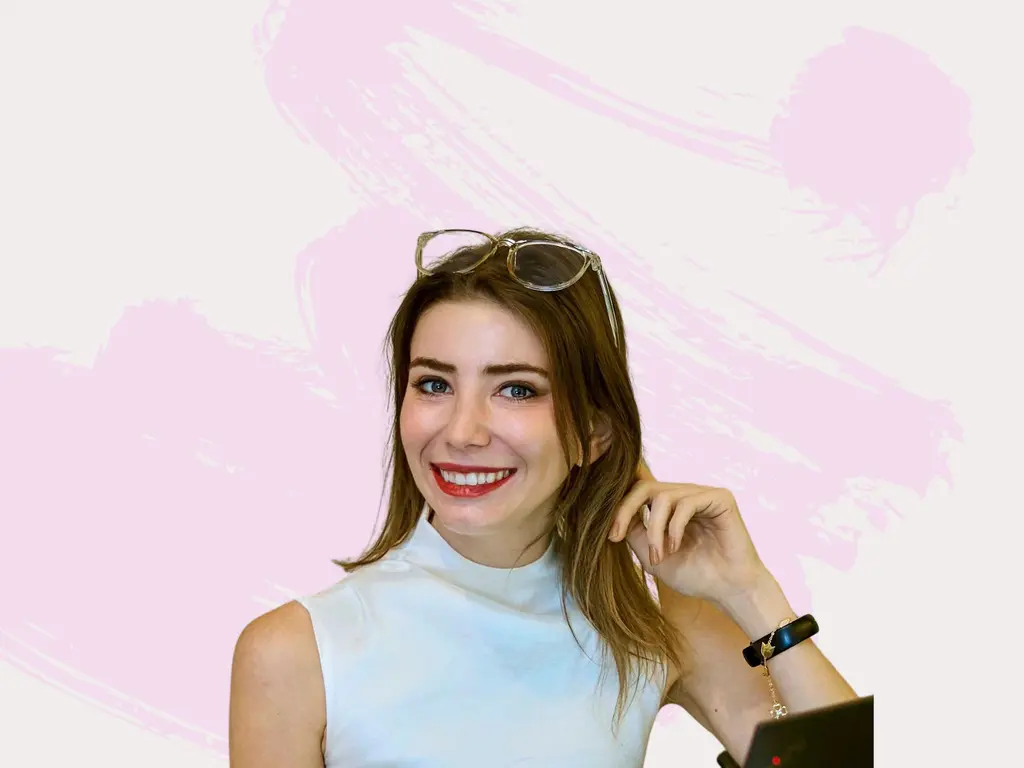
"For me, art is not simply about representation. It can create a space for people to articulate experiences that conventional systems have struggled to hear"
Dr Ally Zlatar is a member of the Global Survivor Council from Canada. She brings her expertise in art, research, and activism to her advocacy to end violence against children. She is using her voice to call for stronger prevention measures for violence against children and to put survivors at the center of this change.
Below, Ally shares how art can help spark social change and systemic reform and bring together individuals and communities whose experiences have traditionally been overlooked.
I am an artist, researcher and activist, and the founder of The Starving Artist, an initiative that uses creative voices to advocate for social change and systemic reform. My work sits between art, health, ethics and activism, often focusing on the parts of human experience that are difficult to speak about: illness, trauma, vulnerability, displacement, gender-based violence and the ways our bodies carry experiences that institutions sometimes fail to recognise.
"I wanted to create spaces where people could be understood as whole human beings rather than reduced to a diagnosis, statistic or social category."
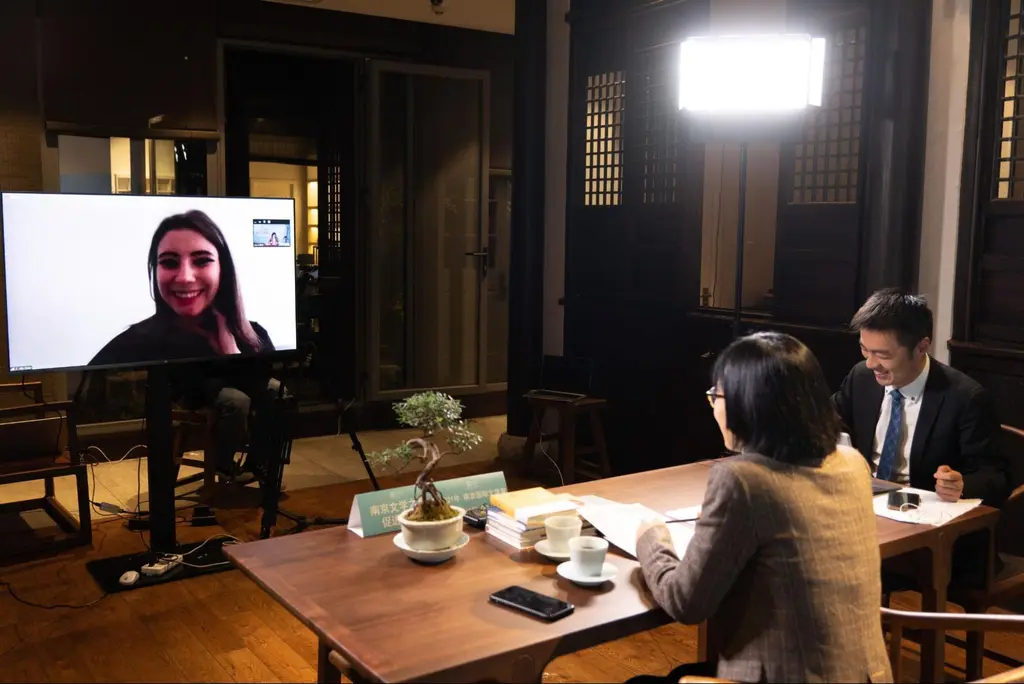
Through exhibitions, publications, workshops and collaborative projects, I bring together artists and communities whose experiences are often marginalised. Projects such as The Body Remembers have brought together more than 30 female artists from over 20 countries to explore trauma, gender safety, resilience and healing.
That is especially important in communities where people have historically been spoken about rather than listened to.
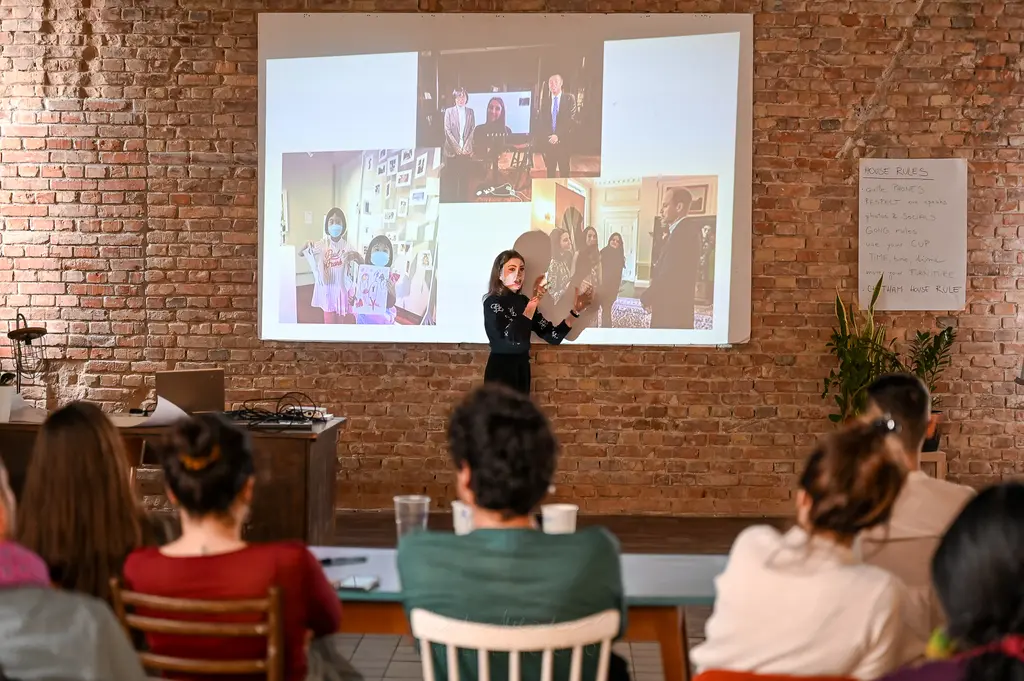
The impact I see most clearly is when someone tells me that an experience they once thought was theirs alone has finally been given a voice, recognition, and the agency to shape how it is understood by others.
The Starving Artist has organised more than 30 exhibitions globally and reached more than 100,000 people. But numbers only tell part of the story.
"The work has created opportunities for artists from asylum-seeking backgrounds, people living with illness and disability, and communities whose experiences are often overlooked to participate in conversations about health, rights and social change."
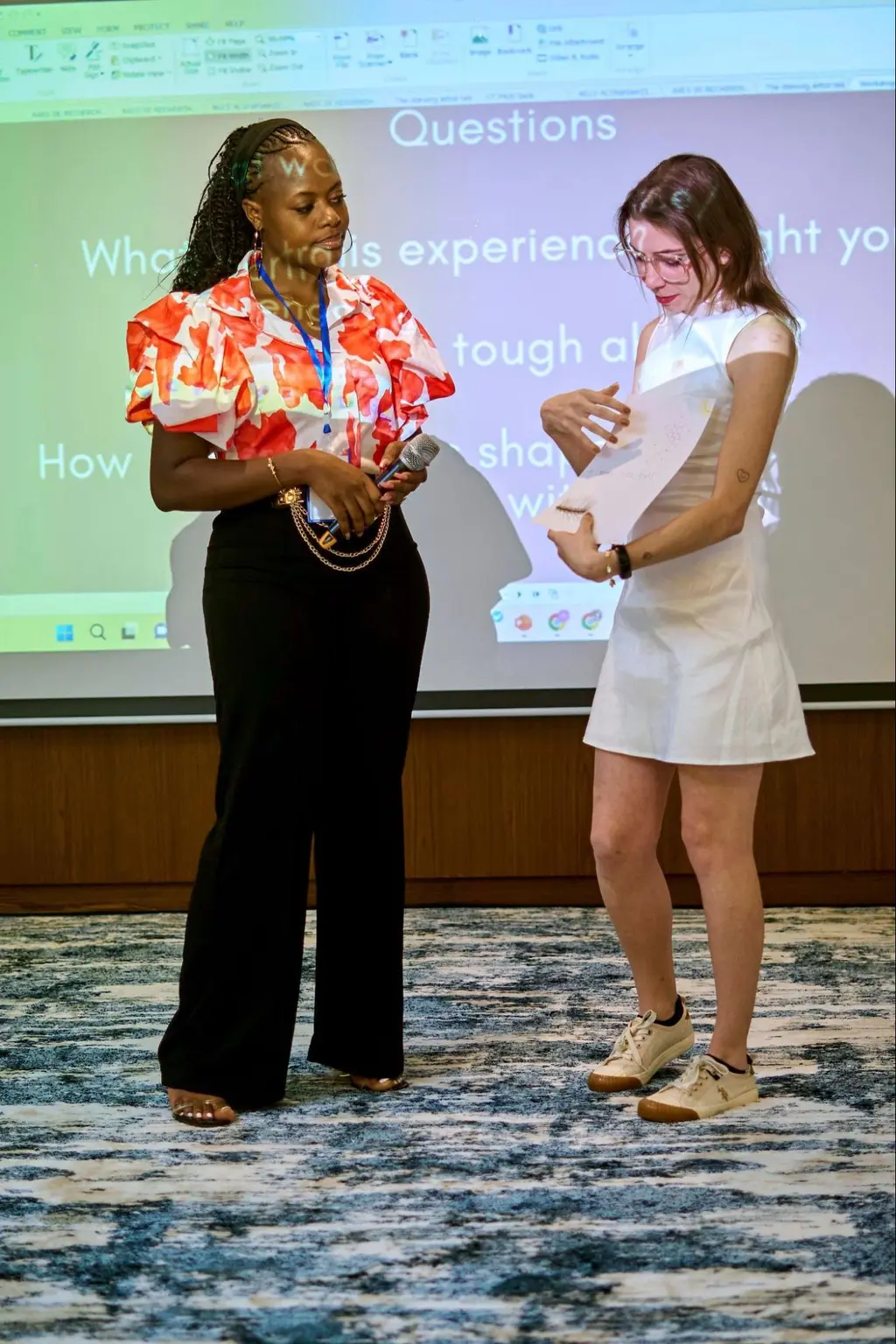
I also see the impact through the conversations that happen around the artwork. A painting can become the starting point for a discussion between a young person, a healthcare professional, an educator, or a policymaker. That is where I think art becomes particularly powerful: it can move an issue from something abstract or statistical into something emotionally and humanly understood.
Real change takes time; if it was easy, it would already be done.
Marina Abramović, a Serbian award-winning conceptual and performance artist. She challenges what art can ask of both the artist and the audience. Her work demonstrates that art does not have to simply represent an experience, but can be a space where difficult experiences can be felt and communicated.
Ending violence against children cannot only mean responding after harm has happened. It requires investing in prevention and co-creation in addressing the social and structural conditions that make violence possible in the first place.
It is not enough to have a seat at the table. We must build it together.