Sensitive content
This site contains sensitive content that includes references to sexual violence.
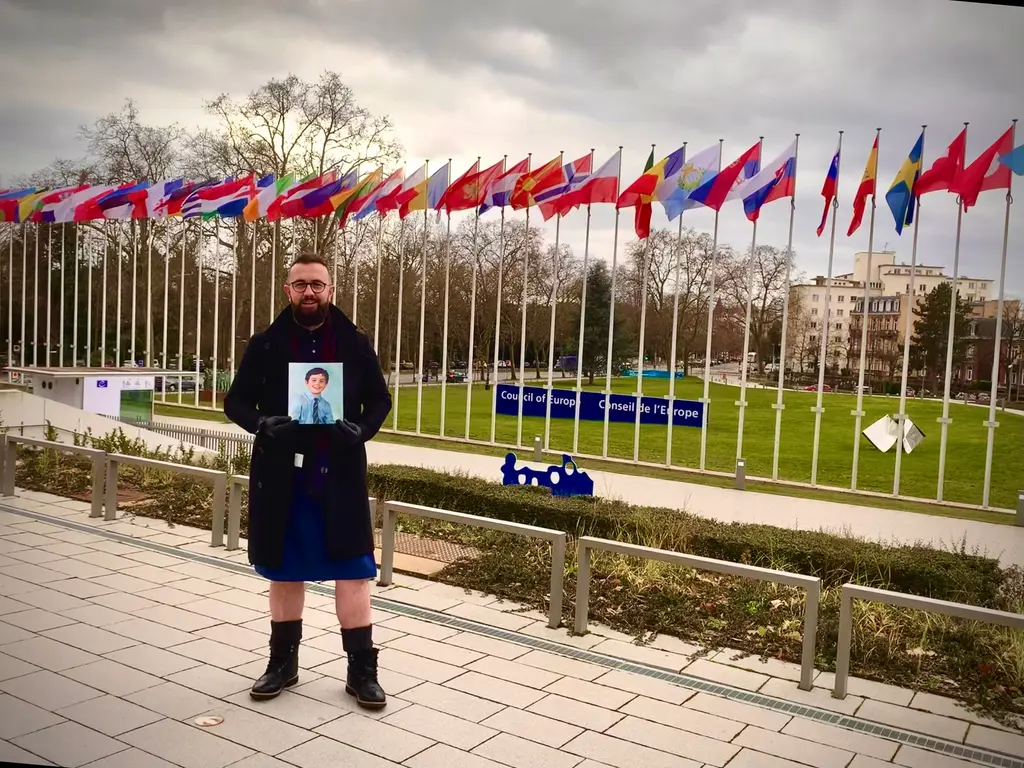
"When I was 5 years old, I was sexually assaulted by a 39-year old cousin. Too young to understand the trauma I had undergone, I repressed the memory for three decades."
In a historic and emotional moment, this July, France’s National Assembly voted to end statutes of limitation for all crimes against children.
The amendment was presented by Arnaud Bonnet, a member of the Green Party, and is included in a governmental bill on childcare, supported by French Justice Minister Gerald Darmanin. The amendment now waits for the Senate’s October 2026 session. But these few months are nothing compared to the years that survivors have waited for justice.
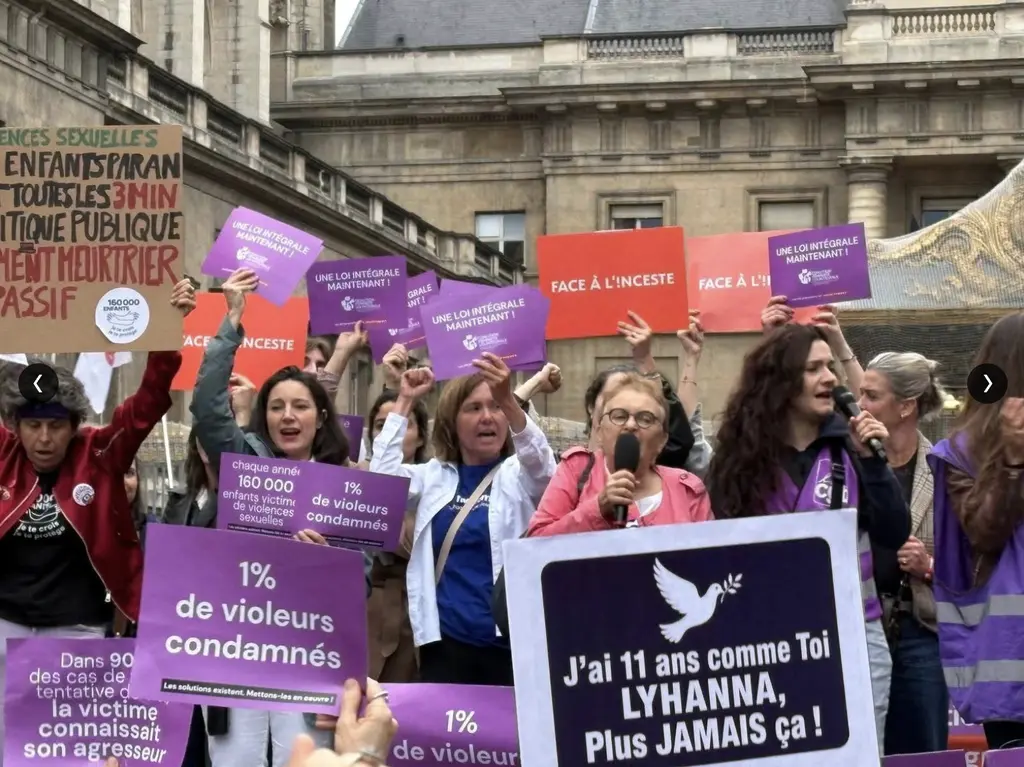
"Each year in France, some 160,000 children are sexually assaulted. Only 4% of survivors file a complaint and, of those, more than 70% of reports are dismissed. I was one of those children."
It is well documented that survivors often suffer from severe psychotraumatic consequences which delay by decades their capacity to seek justice for the crimes.
When finally as an adult I had grown enough and gotten the support I needed to reckon with what happened to me, I filed a complaint that went all the way to France’s Supreme Court, the Cour de Cassation. But like so many survivors, my case was dismissed.
But the amendment waiting before France’s Senate is not an isolated victory; it is a sign of a greater shift that is happening across Europe. In June, the European Union agreed to a landmark directive to combat childhood sexual abuse and exploitation. It will recognize emerging forms of online abuse, and, for the first time ever, will include the word “survivor” in EU legislation.
And most importantly, this directive will give victims of sexual crimes in childhood until they are 50 years old to report in all 27 EU member states.
We are on the verge of a historic shift for children’s rights. These victories come after a decades-long struggle, paved with hurdles and strong resistance to change along the way. But we are getting closer.
Abolishing – or extending significantly – statutes of limitations allows time for survivors to process their complex emotions, seek support, and ultimately if they so choose, seek justice. This October France’s Senate must vote to abolish statutes of limitations.
And other European nations must follow suit, undertaking the necessary national-level change in line with the EU’s agreed directive as a minimum step towards fully abolishing statutes of limitations for sexual crimes against children.
The perpetrator in my case, like so many others, will never be held accountable for what he did. But together we can be brave and speak out against unjust systems, so that children will be safe.
We won't give up our efforts until every survivor in the world has access to justice without time limits.
"Together we can be brave and speak out against unjust systems, so that children will be safe."