Sensitive content
This site contains sensitive content that includes references to sexual violence.
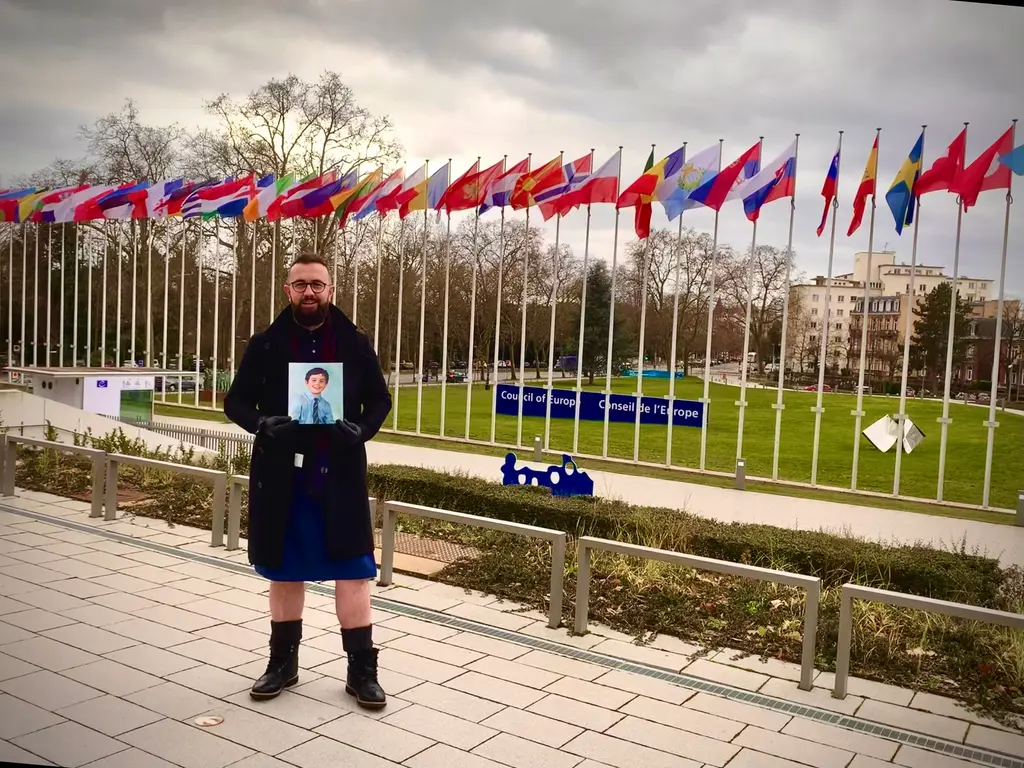
Matthew McVarish is a Scottish screenwriter, multi-award-winning human rights activist, and survivor of childhood sexual abuse who serves on the advisory board of the Survivor Advocates Globally Empowered (SAGE) and represents the Brave Movement at the Council of Europe (CoE).
A co-founder of Brave, he became the first survivor to hold a permanent seat at the Council of Europe, contributing to the Lanzarote Committee where 47 nations oversee implementation of the Lanzarote Convention - the world’s most comprehensive treaty addressing childhood sexual violence.
Drawing on both lived experience and policy expertise, including his work on international child-friendly justice standards, the following piece is adapted from his speech delivered at the Council of Europe.
"There is a vast difference between a child victim and an adult survivor. When we say ‘victim’, it makes us think: Helpless. Powerless. Passive. Wounded. Lost. But ‘Survivor’ makes us think: Resilience. Strength. Agency. Progress. Hope."
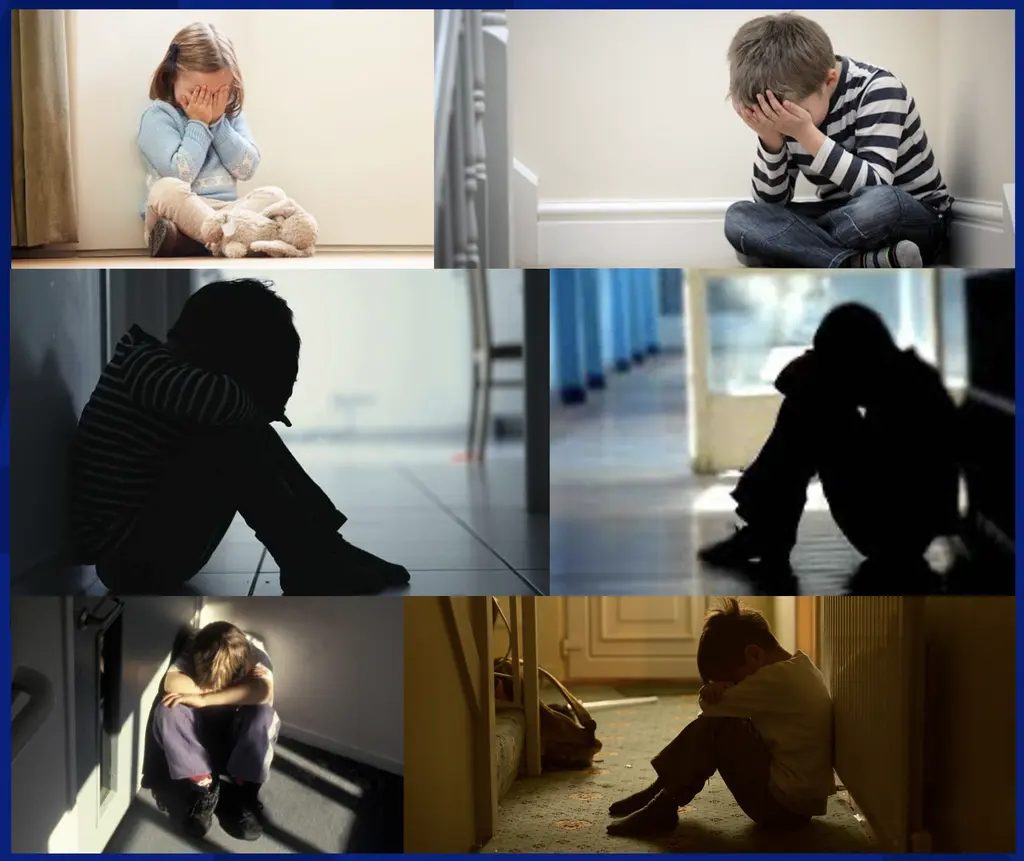
One year ago, Brave Movement requested that the Council of Europe adopt a definition of the word survivor and clarify when it is to be used.
While we wait, I searched news articles about ‘Child sexual abuse’.
These are the images used in the media. It’s a powerful and universal image.
It conveys the bleak isolation of sexual abuse, and it is designed to awaken our humanity because it evokes our pity.
These are the images used by the Council of Europe.
Colleagues, some of you have known me for a few years now. Do these images sum up who I am? Is that how you see me?
"I do not accept being labeled a victim, by you or anyone."
In the last decade, ‘survivor’ has been increasingly used in UN and Council of Europe materials. I appreciate that none of these documents were officially adopted by this Committee.
However, in 2019, the Lanzarote Committee did adopt a Declaration containing survivor, exactly as Brave Movement is requesting it be used. So why then was it so glaringly absent from your “Declaration on emerging technology”, in November 2024?
At the meeting just before that, you were completely happy to use ‘survivor’ in a joint statement, also adopted by this Committee.
Relax. Brave Movement is not asking any nation to change their legal process. During court proceedings, there must always be a clear ‘victim’ and ‘accused’.
For clarity, while my uncle was regularly assaulting me, I was: A victim of Child Sexual Abuse.
During the legal process against him, at Glasgow’s High Court, I was: The victim of Child Sexual Abuse. In 2010, he was sentenced to prison.
Then I became a survivor of child sexual abuse.
"I didn’t own a car until I was over thirty years old because I didn’t believe I deserved a car. Seeing yourself as a victim profoundly limits the life you believe you can have. When everyone around you - your family, friends, and community - sees you as a victim, you’re trapped. When your own authorities confirm your victim label, the sexual abuse that ruined your childhood may ruin the rest of your life."
Being identified as a Survivor leads to improved recovery and greater quality of life after sexual violence.
Being permanently labeled as a victim, years after these crimes, correlates to measurable reductions in the individual’s mental and physical health and ongoing quality of their adult life.
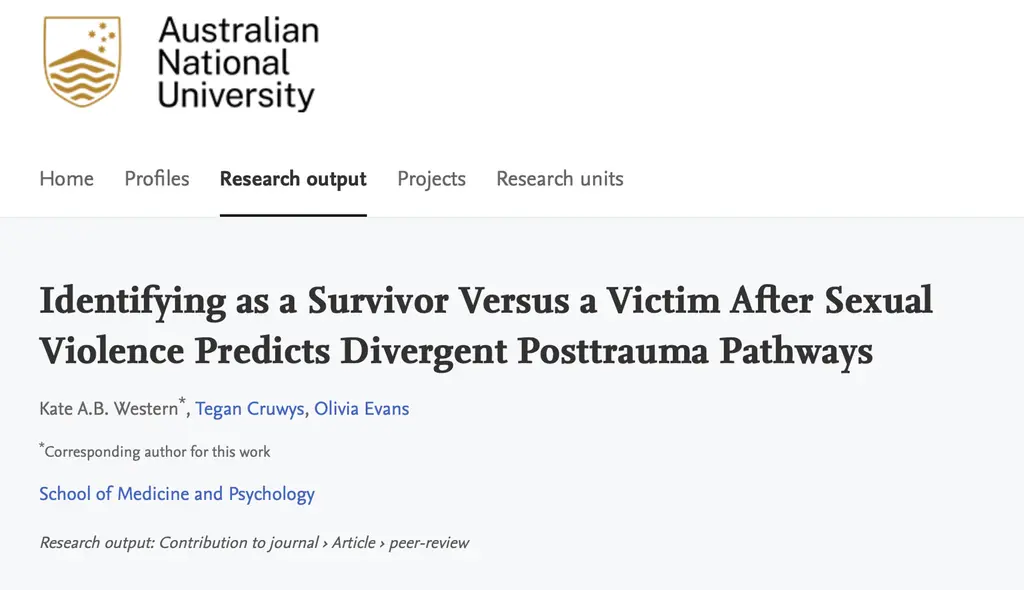
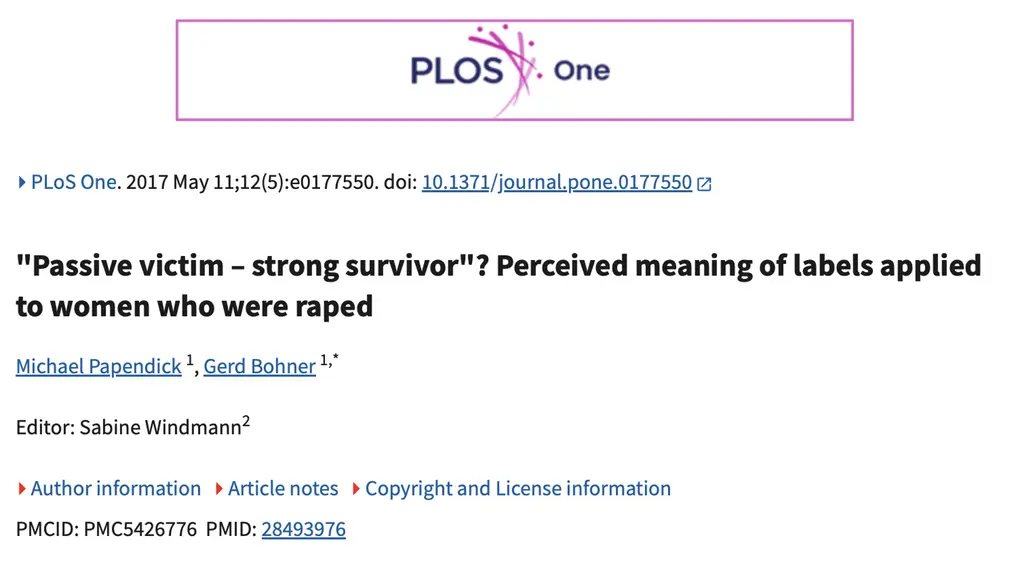
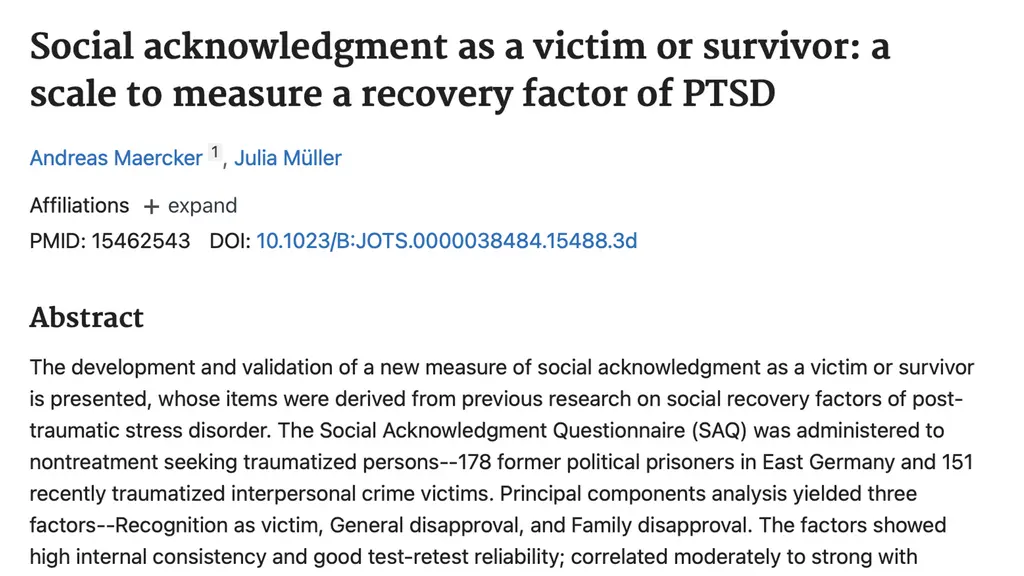
There have been multiple studies conducted across the world on this phenomenon that prove the words you carefully select impact the long-term physical and psycho-social recovery of the people affected by the crimes within the Lanzarote Convention.
May I remind you of Article 14 of the Lanzarote Convention: “Each Party shall take the necessary legislative or other measures to assist victims, in the short and long term, in their physical and psycho-social recovery.” This is what you all agreed to do.
The Brave Movement is eternally grateful to the member states who have publicly announced their intent to establish a “Victim and Survivors” council, simply using both terms. The positive ramifications of this simple kindness are truly immeasurable.
If offenders are innocent until proven guilty, that means children are not legally recognized as victims until a court proves a crime has occurred. All EU nations are also Council of Europe member states, and so are obligated to uphold two conflicting legal definitions. The EU says a court must confirm a crime before a child is considered a victim. The Council of Europe says it does not, defining a victim as: “any child subject to sexual exploitation or sexual abuse, the facts of the sexual exploitation or abuse do not have to be established before a child is to be considered a victim.”
However, Article 3 (Definitions) presents another legal obstacle: “a child shall mean any persons under the age of 18.” So, legally, under the treaty you all signed and ratified, a victim of child sexual abuse cannot be anyone over 18.
France’s CIIVIS inquiry engaged 30,000 people who had been sexually abused in their childhood. 75% of them had been denied their fundamental right to access justice by the statute of limitations. A court could not confirm a crime had occurred. These people are not legally recognized as victims, and they’re not children. What do we call these people?
A Survivor is: “A person who has experienced sexual violence as a child, irrespective of their legal status and their recognition as a victim of a crime by a legal system.”
This request comes not from the Brave Movement alone, but from the collective voice of all the biggest NGOs across Europe. We request that the Council of Europe confirm a working definition and clarify appropriate usage. We have asked the EU to include this definition of Survivor in the upcoming recast Directive’s recital and harmonize this terminology across all instruments going forward.
This week is the 46th meeting of the Lanzarote Committee. I have been engaging directly with you since your 12th meeting, over a decade ago. In the past year, the Council of Europe and the United Nations have asked me to give keynotes at five different international Ministerial events.
I don’t believe I was invited to speak at these auspicious gatherings out of pity, but because survivors’ lived experience has value, which meaningfully contributes to your work in ending childhood sexual violence.
It is an honor to speak at these events, but I am always the only person in the room who is not being paid to be there. While that violates the Council of Europe’s own guidelines on survivor engagement,
"What offends me is that in your documents, the Council of Europe uses the word survivor whenever it wants, and if it’s not convenient, it drops it. Ignoring our needs. Our rights. I am a survivor because throughout my childhood my uncle used me whenever it suited him, then dropped me."
Respectfully, on behalf of a global gathering of survivors, in solidarity with all the biggest NGOs of Europe, we call on the Council of Europe to bring clarity, consistency, and leadership to the use of this life-altering word, and officially recognize ‘Survivors’.