Sensitive content
This site contains sensitive content that includes references to sexual violence.
Watch as they share statistics on online childhood sexual violence, and challenge others with "Did you know?", "Green flag or red flag?" and "True or false?"
Despite important progress in isolated areas, the world’s richest nations are fundamentally failing to address the escalating global crisis of childhood sexual violence.
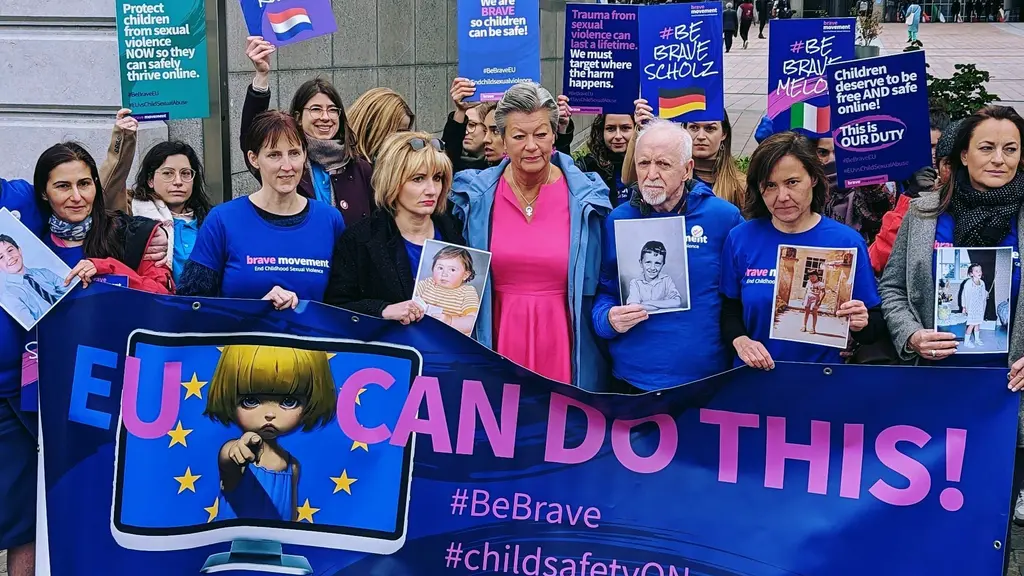
By evaluating each G7 nation’s progress on vital policy measures we're drawing global attention to the global, silent pandemic of sexual violence against children.
With this much-needed change, Bulgaria has made a crucial step forward in the protection of children against sexual abuse.
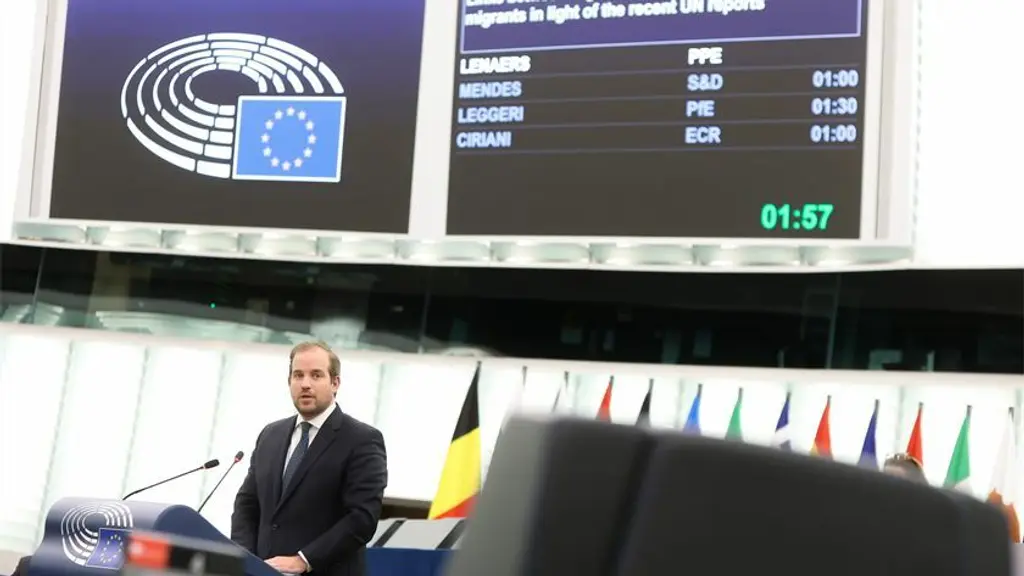
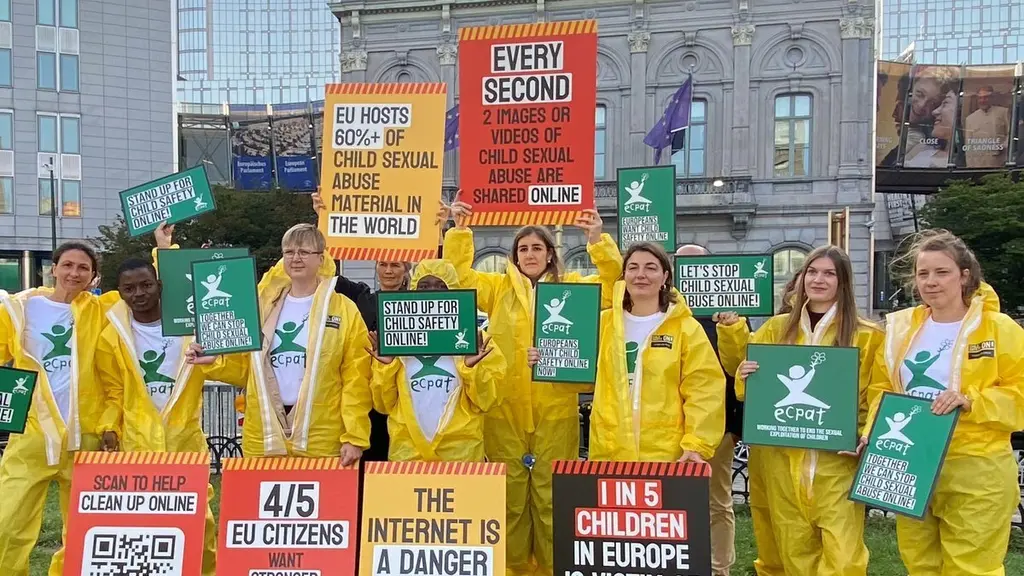
Today’s vote in the European Parliament is a step backward in the global effort to protect children from sexual violence online.
Latvia has changed its law to give victims more time to report sexual abuse experienced in childhood.

This dynamic is mirrored in professional spaces, where disclosing yourself as a survivor can impact how others perceive your credibility, often risking being labeled as ‘too sensitive’, ‘too close to the issue’, or ‘too subjective.’ For a long time, I believed I couldn't disclose the abuse I experienced as a child and still be treated as a professional, because as a social worker and trauma therapist, there was an unspoken rule that you could be credible or you could be a survivor, but you couldn't be both. The Northern Ireland Survivor Council was established because we were tired of seeing the same cycles repeat. Tired of hearing time and time again that victims and survivors felt frustrated after sharing their stories, that nothing changed. Survivor councils can give victims and survivors a voice and influence, ensuring that their insights drive the changes that matter. Survivor councils allow lived experience to directly impact policy development and government delivery to keep children safe. They can disrupt the status quo by guiding the direction of policies that directly impact children, adolescents, and other victims and survivors. The Northern Ireland Survivor Council is asking you to be brave.
April 14, 2026
|
This law will give victims of sexual violence in childhood until they are 50 years old to report in all 27 EU member states.

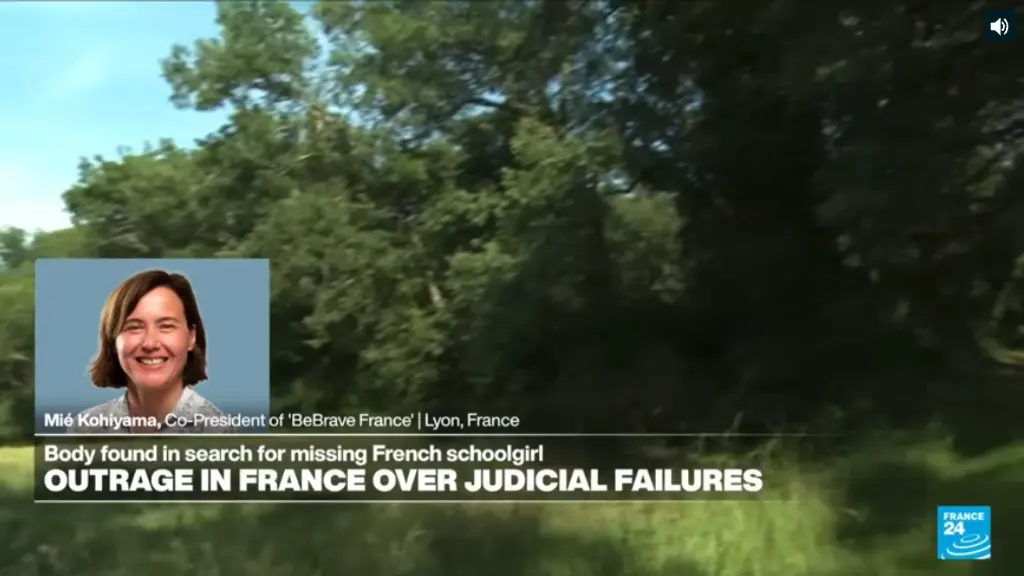
The Brave Movement welcomes the announcement of the confirmation of a council of survivors in France.

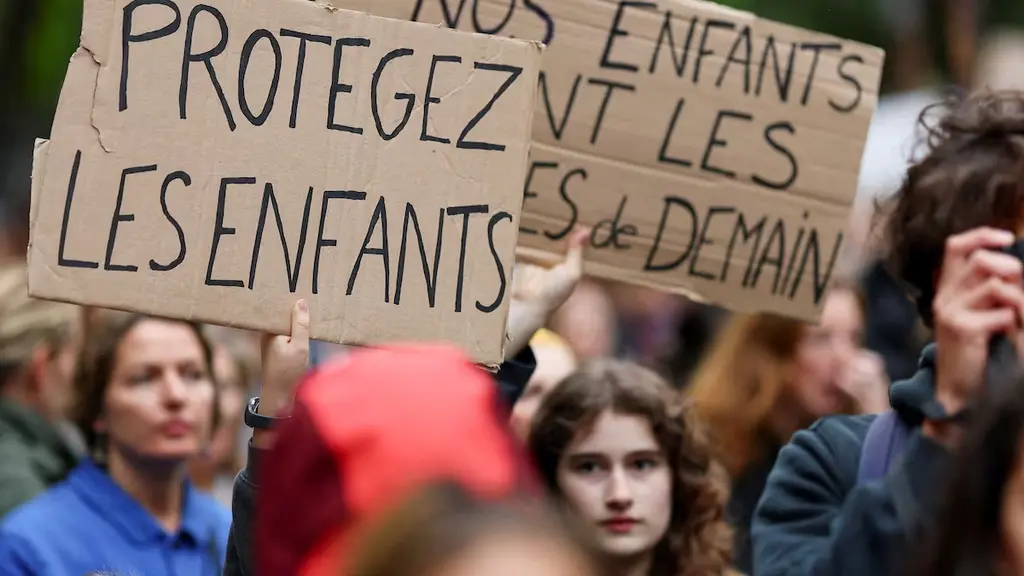
Last chance for a generation of European child abuse survivors to get justice
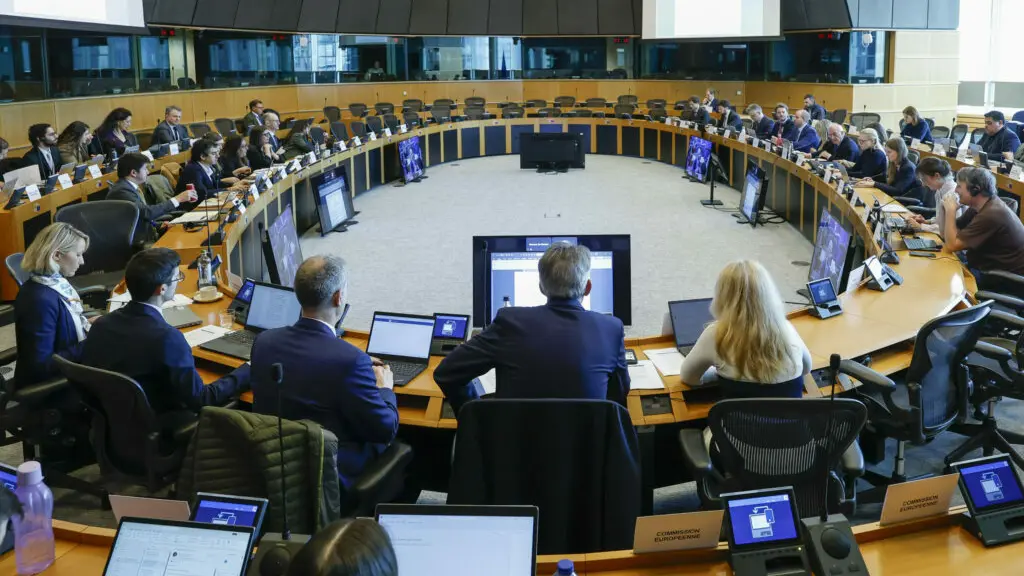
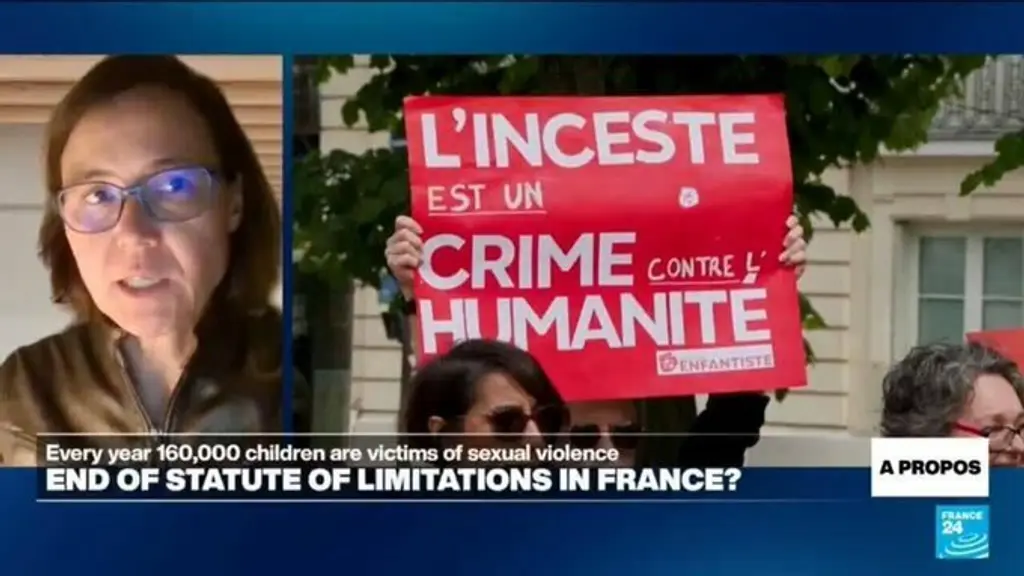
An overwhelming vote by the European Parliament in favour of ending time limits for the prosecution of child abusers has been welcomed by leading children’s rights organisations as a major step towards keeping children safe.
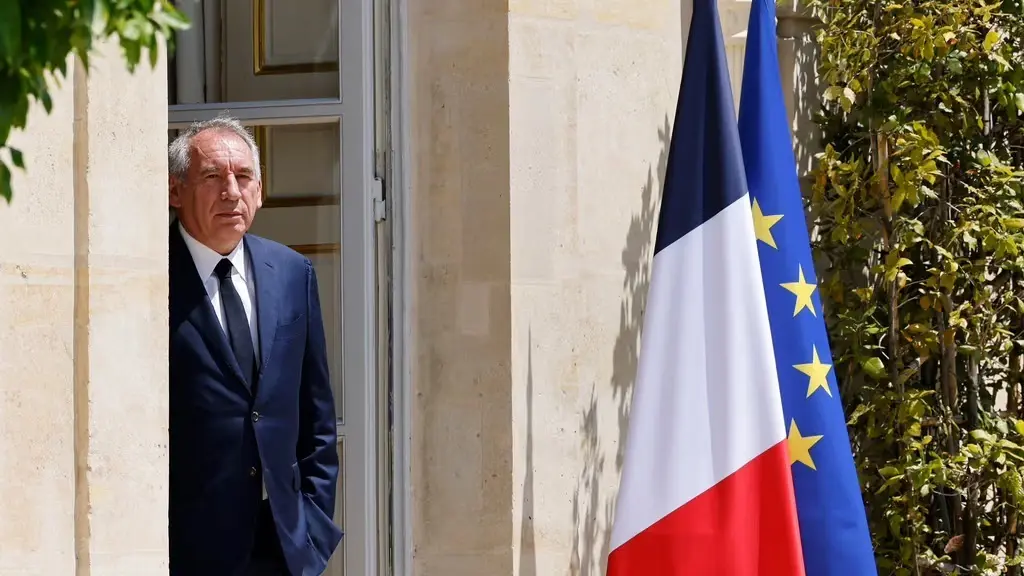
Support from France’s Prime Minister for the creation of a national survivor council has been welcomed by the Brave Movement as ” An essential step towards ending violence against children in France .” The announcement, made by François Bayrou today at the National Assembly in Paris brings closer the establishment of a body made-up of survivors of abuse, to advise on legislation, policies, and programs aimed at ending it. Brave stands ready to support the creation of a Council which can amplify survivor voices, provide an exchange platform for experts and survivors and serve as an invaluable resource in the development of policies tackling child sexual violence .” Constance Bertrand, French survivor spokesperson of the Saint-Dominique de Neuilly-sur-Seine survivors' group said: “ A National Council would be an initiative that gives victims a voice and a place.
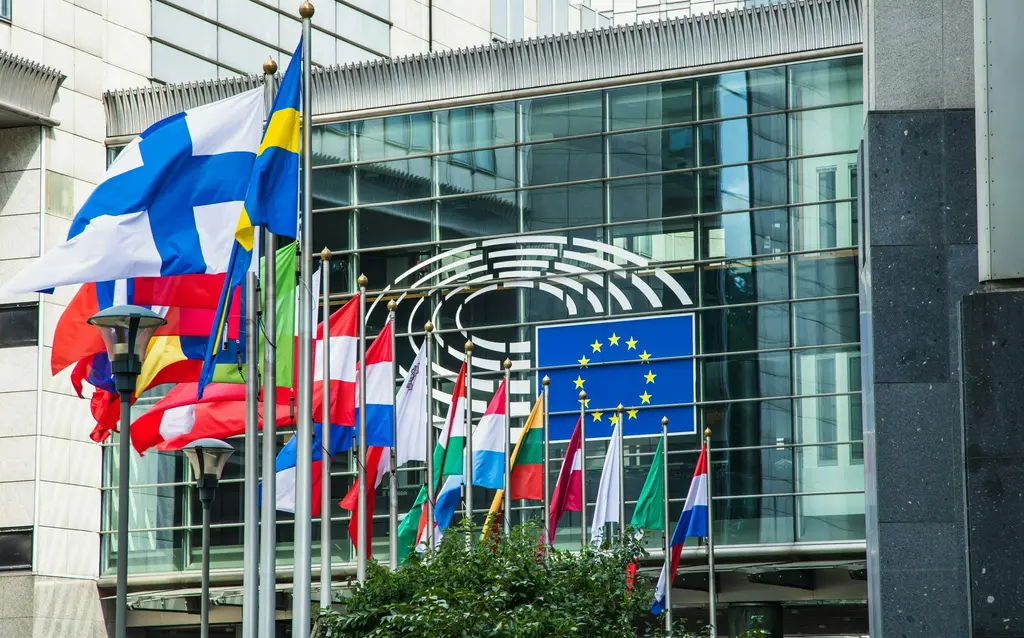
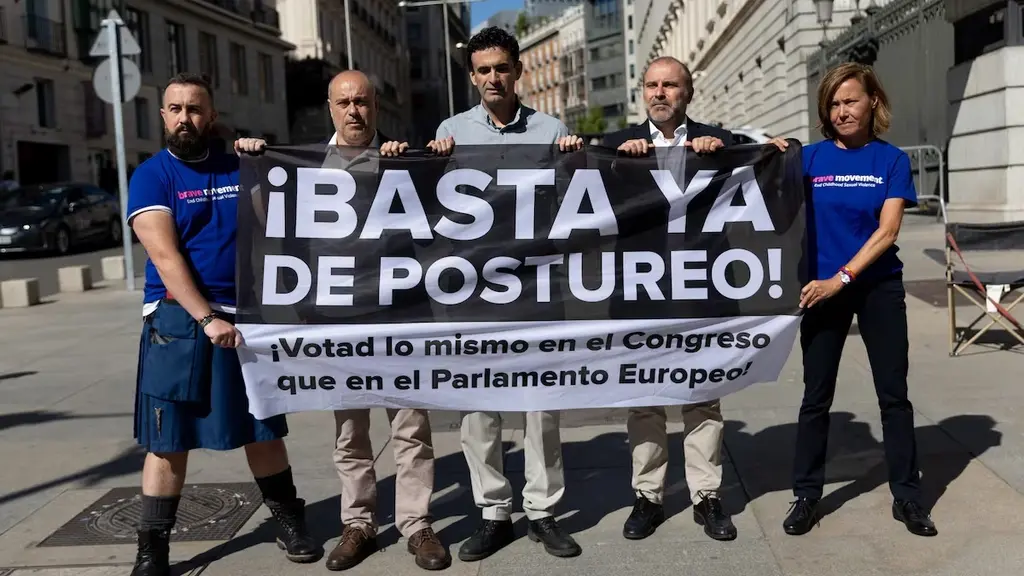
The Brave Movement welcomes the first-ever vote by MEPs in favour of abolishing time limits in all EU countries for the prosecution of child-sex offenders.
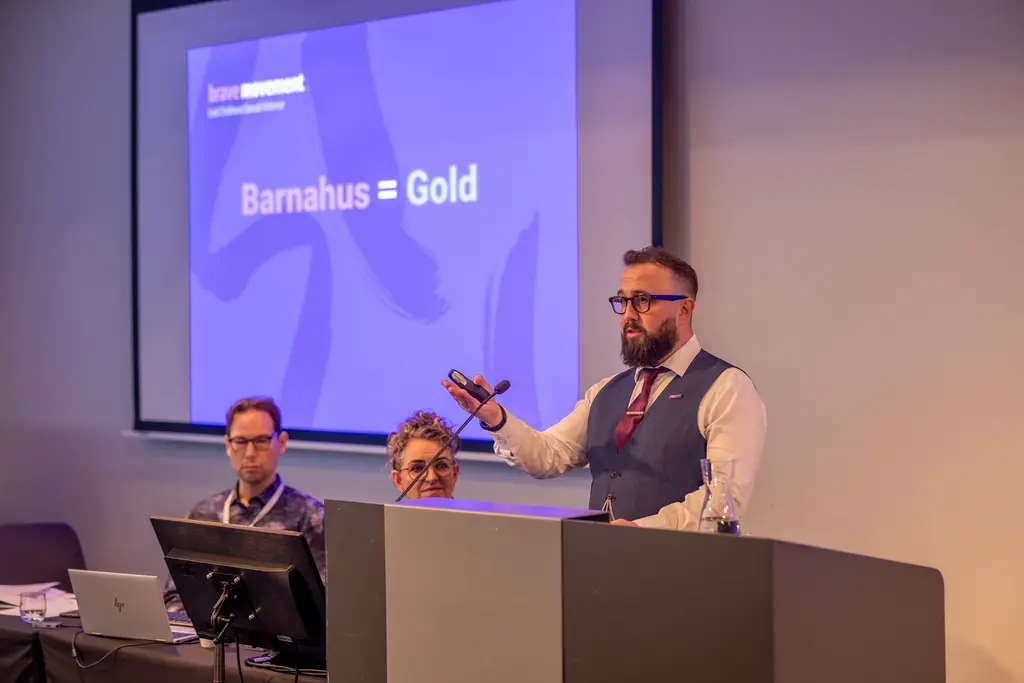
After offering my sincere congratulations to the Irish Government for their initiative to support child victims and witnesses of crime, I just had one question for them: “What was the point?” Why had they gone to such lengths? If you asked the Magistrate from Portugal “What is the point of a Barnahus?” You’d get a slightly different answer than if you asked the director of the Child Advocacy Centre in Alabama. Multidisciplinary interagency response models are a beautiful idea, bringing all the crucial aspects of the process to the child victim under one roof, but each agency, be it medical, law enforcement, judiciary, therapeutic, are all still just there to carefully extract, as sensitively as possible, whatever their department needs from the child. Police stations are for criminals - they are no place for a child. Courtrooms are for lawyers - they are no place for a child. For a growing number of child victims, there is progress. From the moment a child enters the Barnahus they can sense the warm supportive atmosphere of safety and dignity. The child feels cared for, and so they begin to learn that they have value in this world, because they witness that they are someone worth fighting for. The interview process happens only once, and the child feels believed. For every child that comes through a Barnahus door, something they could not even have imagined has already been done to them. Essentially, it doesn't really matter what colour we paint the walls, or how many cosy sofas we install, there is no part of this process that a child finds “friendly”. It’s taken me a few decades but I can really see it now, the point of a Barnahus, and it’s purely a matter of rights. Bragi Guðbrandsson, creator of Barnahus, describes it as “the practical application of the United Nations Convention on the Rights of the Child”.
March 6, 2025
|
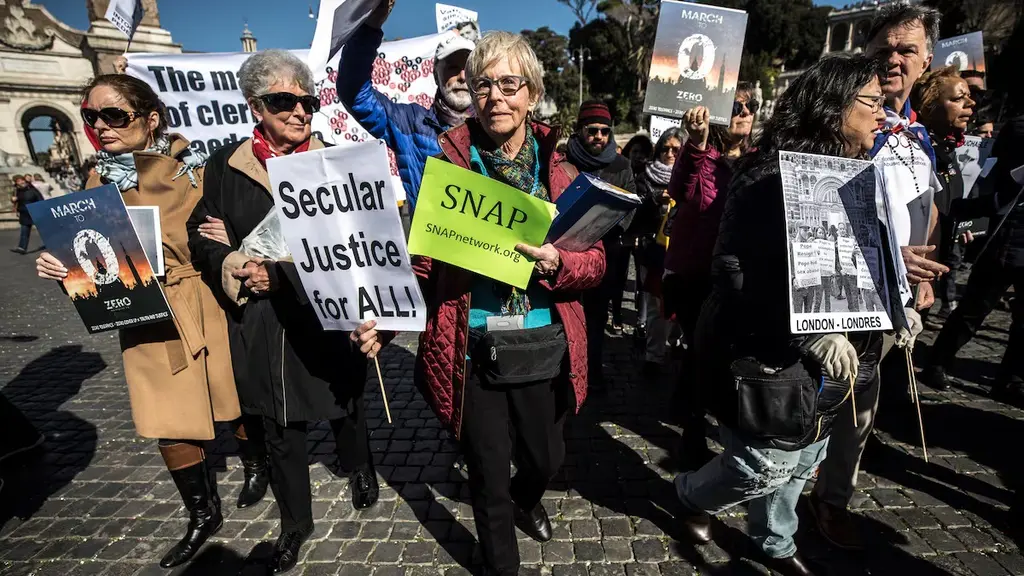
A statute of limitation in relation to childhood sexual violence defines the maximum amount of time a victim can wait before starting legal proceedings against the perpetrators. Setting this limit for survivors of childhood sexual abuse is harmful as it means that many do not recieve justice if they can’t speak up within the imposed deadline, which is usually an arbitrary amount of time. Governments retaining these harmful statutes of limitation for survivors of childhood sexual abuse is not only deeply unfair to victims but dangerous for future generations and extremely costly for society. For these reasons it's not surprising that the complete elimination of statutes of limitations in relation to childhood sexual violence of is one of the highest priorities of the global survivor movement. Unfortunately for them, evidence obtained from countries that have no statutes of limitations in relation to childhood sexual violence disprove that claim. There are some types of evidence that survive the passage of time such as a criminals' confessions, DNA, child sex abuse material, the internal archives of institutions that have shielded abusers (i.e. catholic church, boy scouts) or multiple victims who describe the same modus operandi committed by a common perpetrator. The European commission and the European Parliament want to change this outrageous situation by including a legally binding common standard on the new directive against child sexual abuse. On Tuesday 17th of June, the European Parliament will vote their proposal to establish in the new directive that there should be no criminal or civil statute of limitations in child sexual abuse cases.
June 4, 2025
|
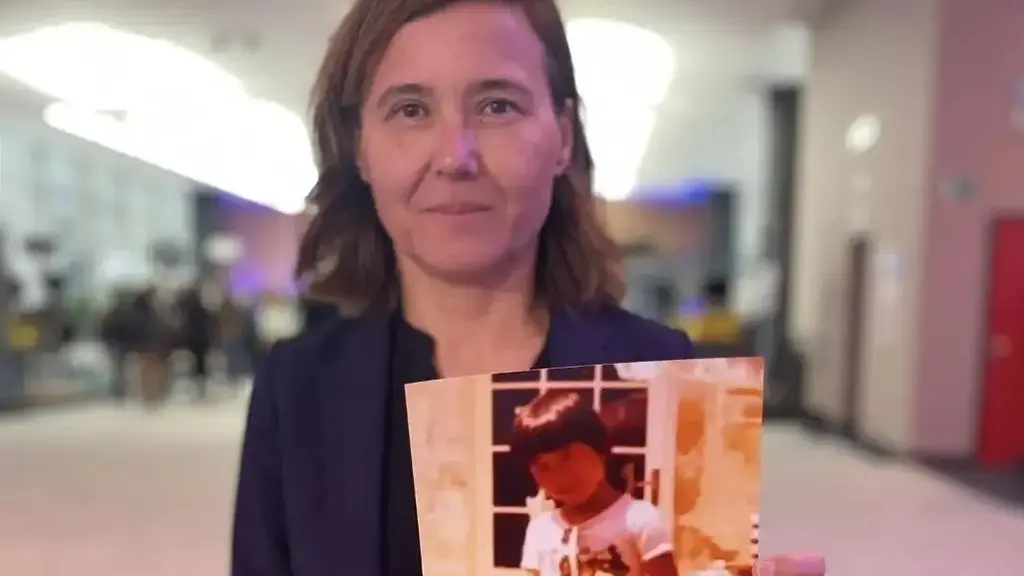
Imagine being the victim of a crime so traumatising it takes you years, even decades, to be able to tell anyone about it. Then imagine that when you are finally able to do so, nothing can be done. You are told it is too late for justice.
June 17, 2025
|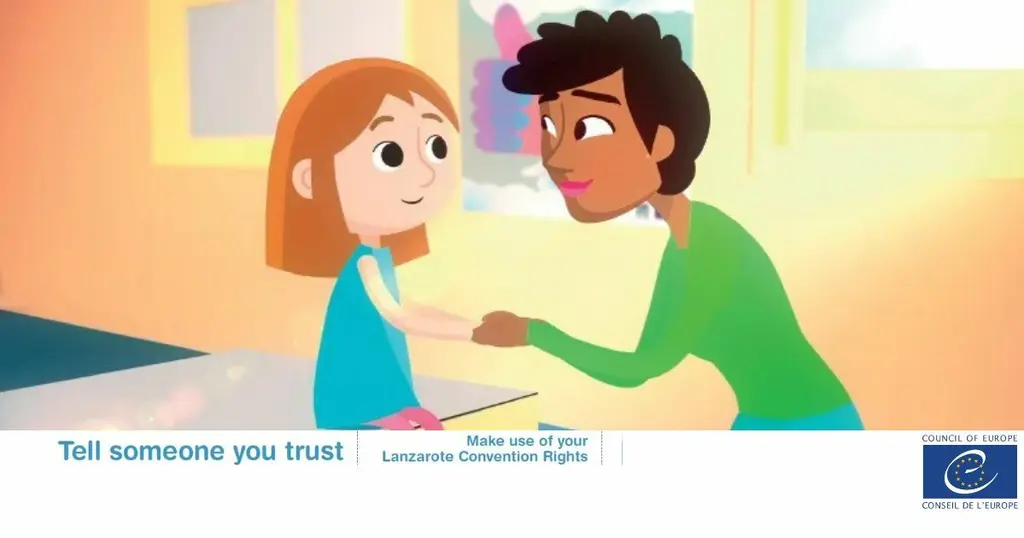
For far too long, child sexual abuse was something whispered about, hidden, denied, or if dealt with at all it was behind closed doors. Fifteen years ago, something quietly powerful happened in Europe that changed the course of child protection forever. But for those of us who are survivors of childhood sexual abuse, something monumental had taken place: the Lanzarote Convention officially came into force. The Lanzarote Convention began to shatter the silence. This comprehensive Convention marked the first time in human history that nations gathered to focus solely on tackling sexual violence against children. Its full title is a bit dry: “The Council of Europe Convention on the Protection of Children against Sexual Exploitation and Sexual Abuse”. Since 2010, 48 countries have ratified the Lanzarote Convention—and with that signature, each nation committed to putting children first. They agreed to take real, practical steps: training teachers, doctors, and police officers; protecting children online; criminalising grooming and live-streamed abuse; and ensuring children can testify in safe, trauma-informed ways. Engaging with the Council of Europe as a Survivor Activist since 2014, I’ve witnessed the responses from some governments go from alarming statements like “In our nation, we don’t abuse our children” into a growing sense of appropriate urgency like “We need to work together.” It’s hard to describe what it means to know that more and more governments are finally taking this seriously. I’ve witnessed how the Convention has led to tangible reforms—interviews with child victims now recorded to spare them the trauma of repeating testimony; specialised police units trained to sensitively handle abuse cases; public campaigns educating parents and children about grooming and digital safety. Every country that joins the Lanzarote Convention sends a message: that child protection isn’t optional. If your country hasn’t yet ratified the Lanzarote Convention, be kind.
June 25, 2025
|
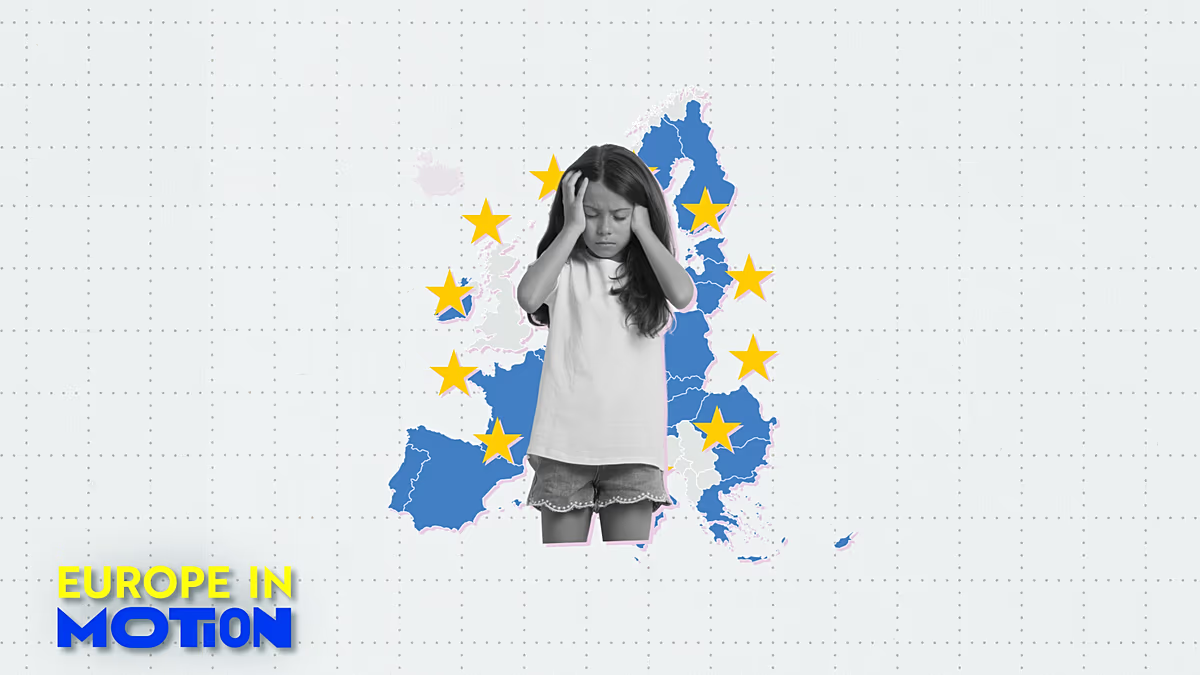
The landscape of the EU in the context of campaigning to end childhood sexual violence is complex and multifaceted. Effective campaigning requires navigating this diversity to achieve a cohesive impact.

All EU member states should abolish the criminal and civil SOLs for all child sexual abuse crimes.
With this report, we showcase why the criminal statutes of limitation for child sexual abuse crimes should be abolished across all member states of the Council of Europe. It recommends amending the Lanzarote Convention to include an Optional Protocol to achieve this goal.
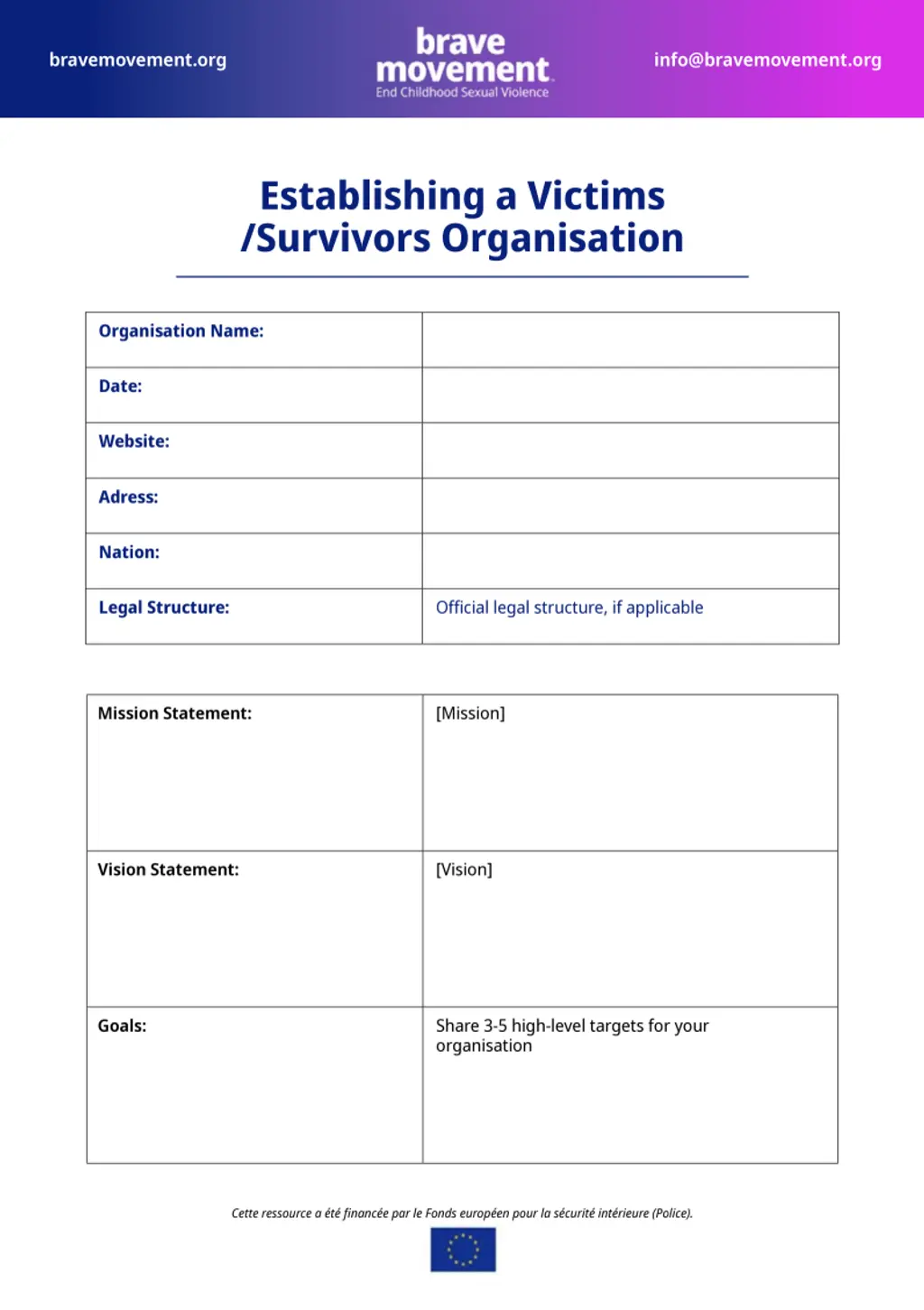
This document provides guidance and a checklist of key elements to consider and plan when establishing a victims' or survivors' organization.
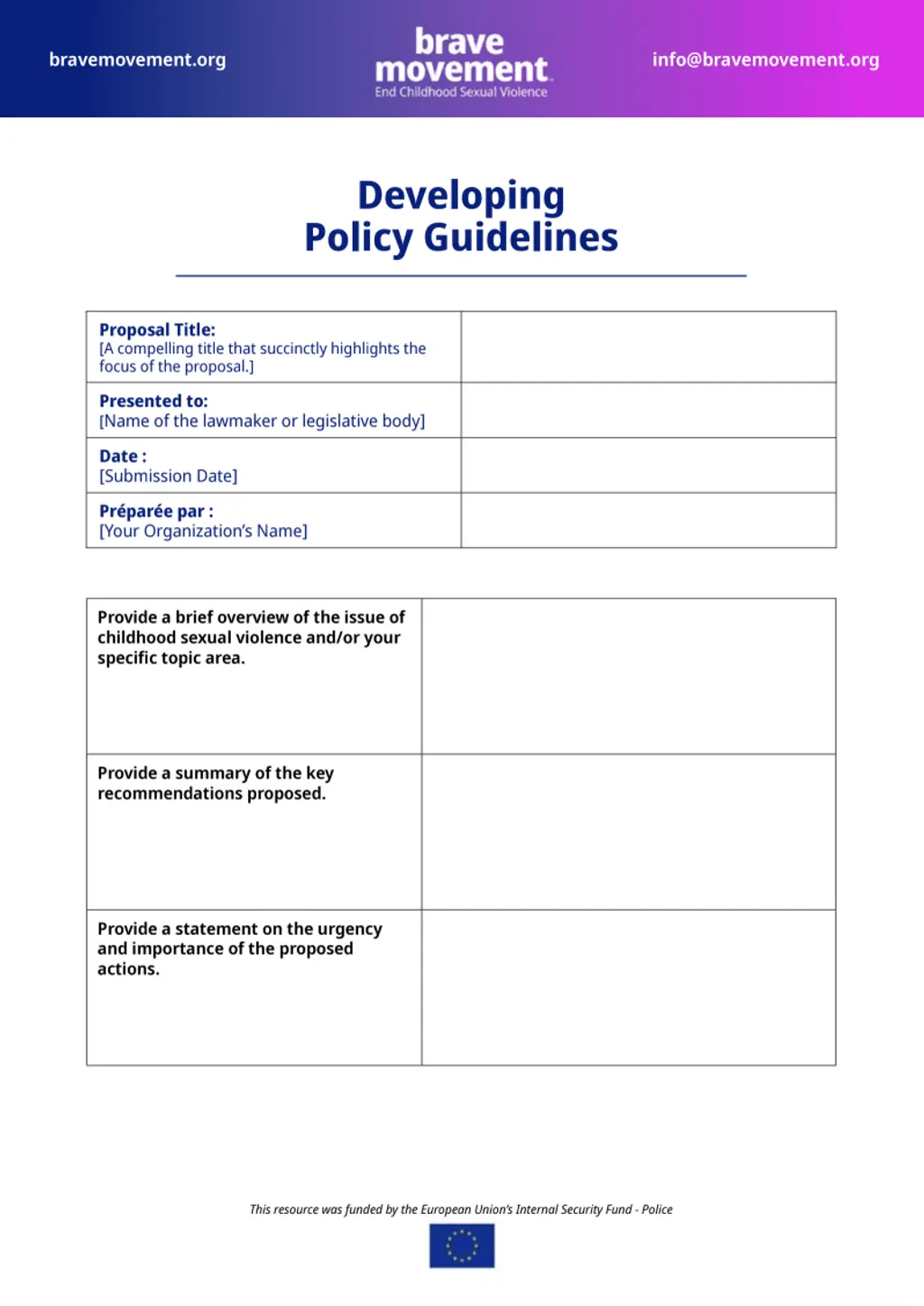
This document outlines key steps and considerations when developing policy guidelines to call on policymakers to take specific action to end childhood sexual violence.
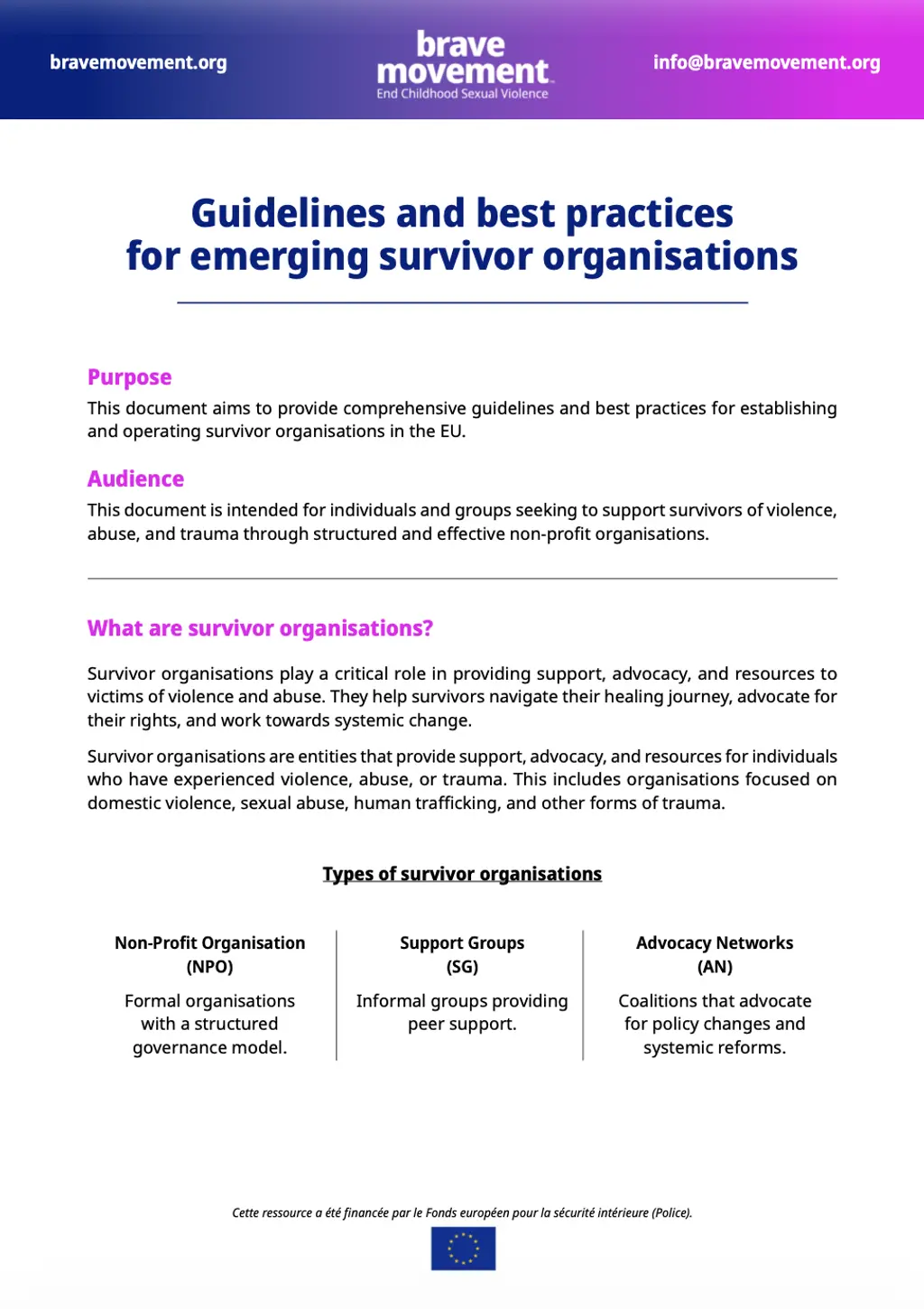
This document provides comprehensive guidelines and best practices for establishing and operating survivor organisations in the European Union.
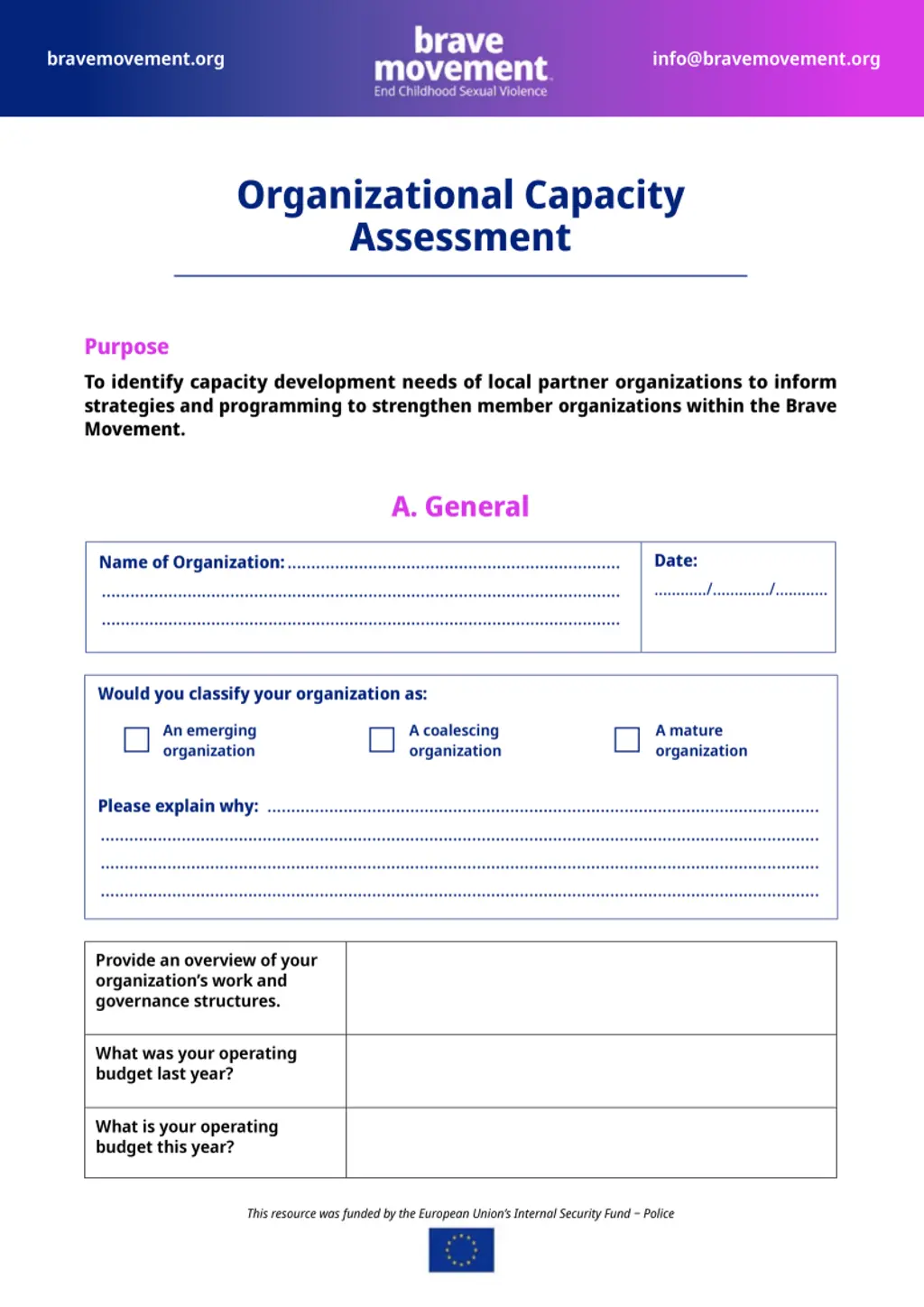
Use this assessment questionnaire to identify capacity development needs of local partner organizations to inform strategies and programming and strengthen member organizations within the Brave Movement.
Engaging with media can amplify your organization's voice and mission. This presentation will guide you through best practices to navigate media inquiries safely and effectively.
Use this guideline to learn how to mobilise grasstops and grassroots leaders.
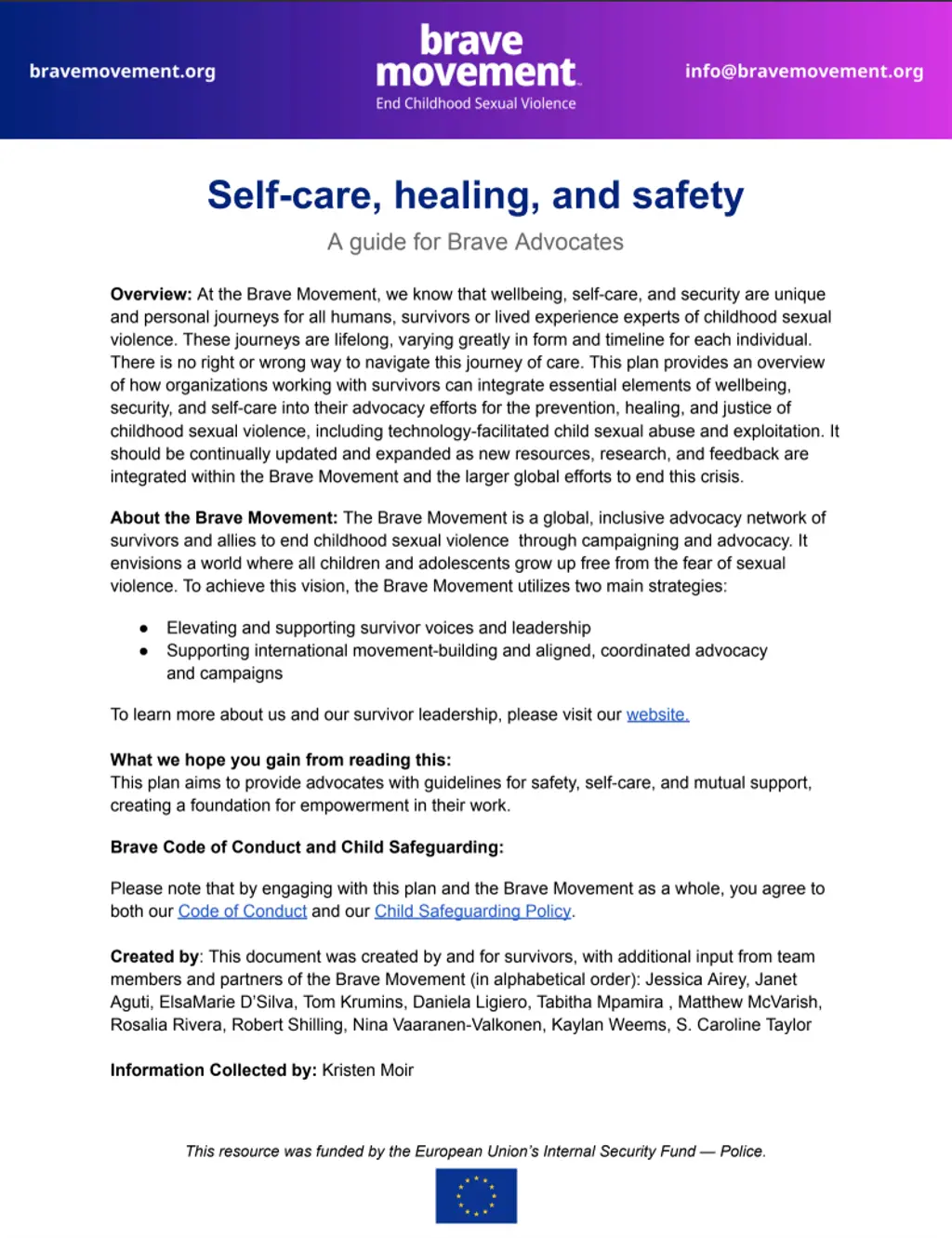
At the Brave Movement, we know that wellbeing, self-care, and security are unique and personal journeys for all humans, survivors or lived experience experts of childhood sexual violence.
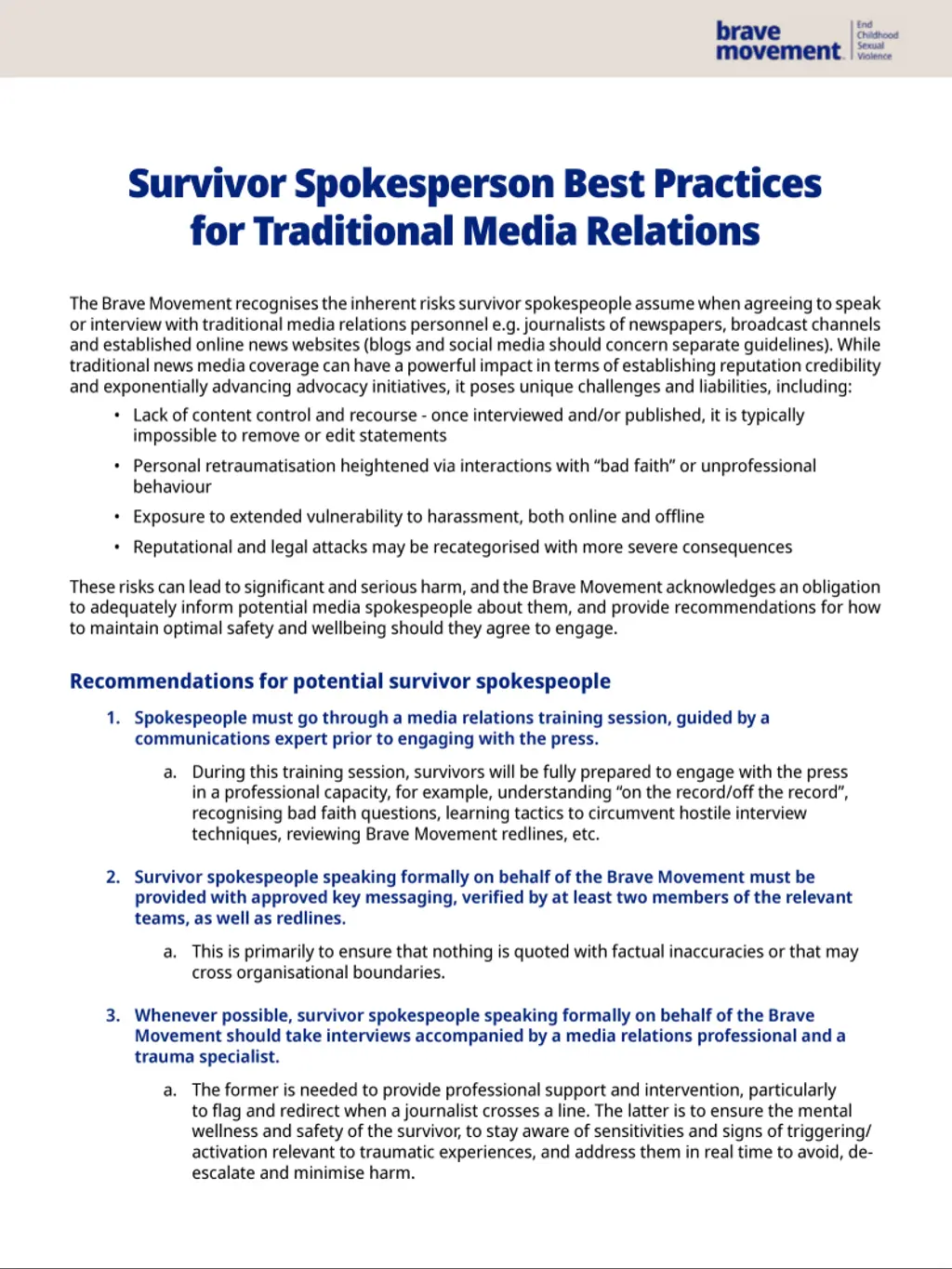
This guide provides recommendations for survivor spokespeople for how to maintain optimal safety and wellbeing when engaging with traditional media.
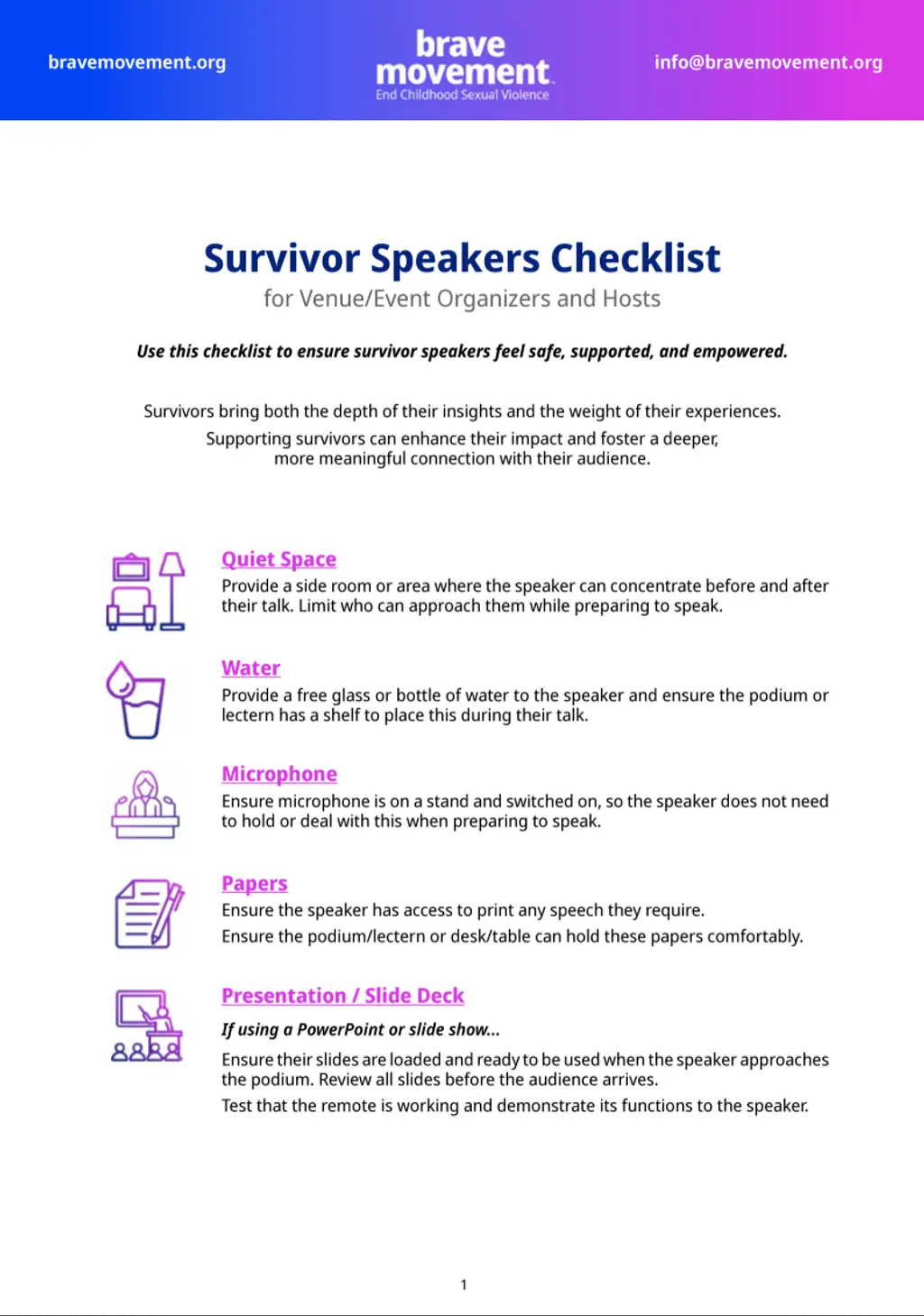
Use this checklist to ensure survivor speakers feel safe, supported, and empowered.
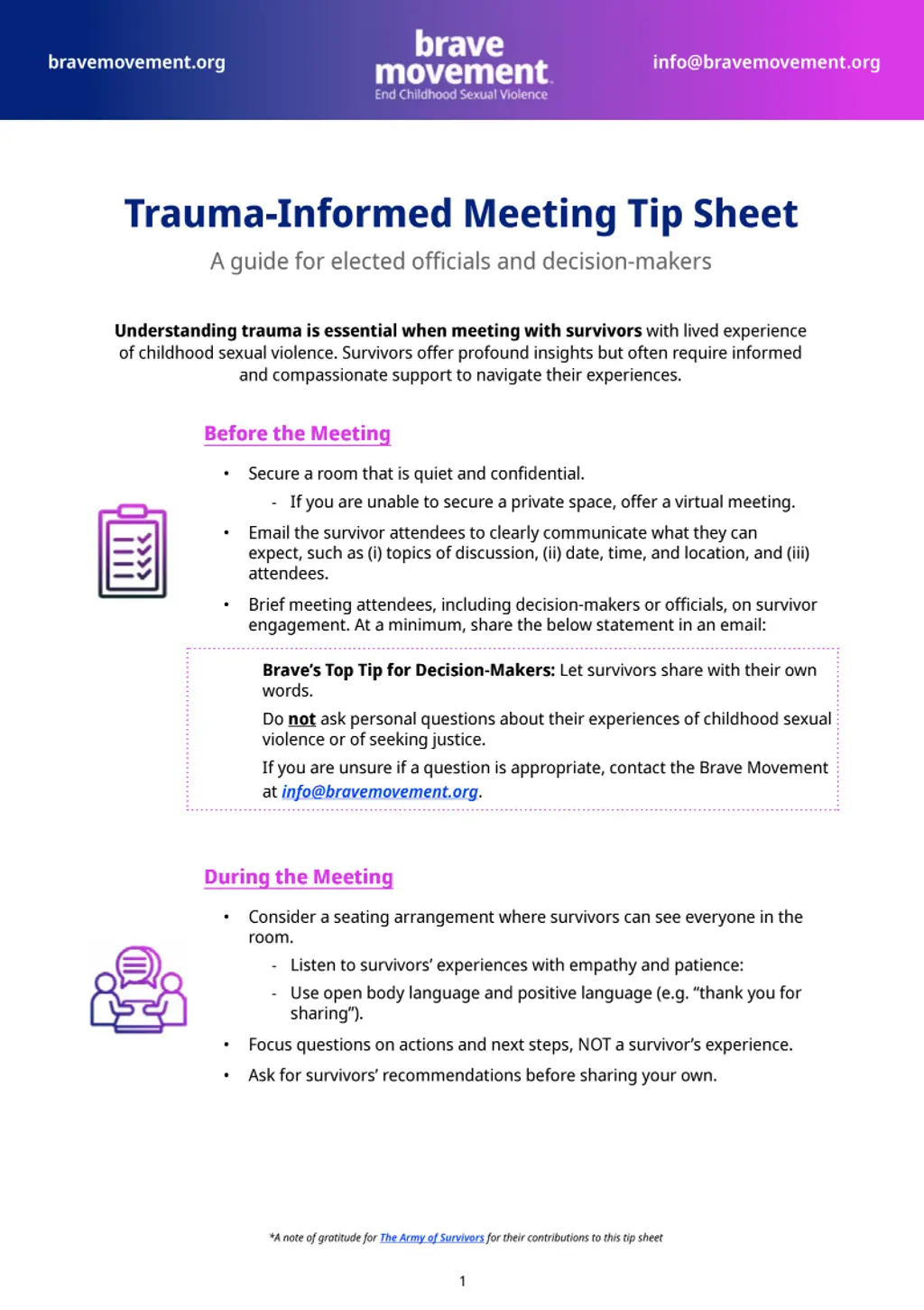
Understanding trauma is essential when meeting with survivors with lived experience of childhood sexual violence. Survivors offer profound insights but often require informed and compassionate support to navigate their experiences.
The Brave Movement encourages using this resource as a guideline on what to do if you, or someone you know, wants to disclose abuse suffered. This resource has been tailored to when the discloser of abuse is over 18 years old.
The Brave Movement encourages using this resource as a guideline on what to do if you, or someone you know, wants to disclose abuse suffered. This resource has been tailored to when the discloser of abuse is under 18 years old
To foster safe and supportive conversations, the Brave Movement encourages using this resource to help you respond with care when a survivor or victim over 18 chooses to disclose their lived experience
For healthy engagement, the Brave Movement encourages using this resource to help you understand what to do if a survivor of sexual violence discloses to you
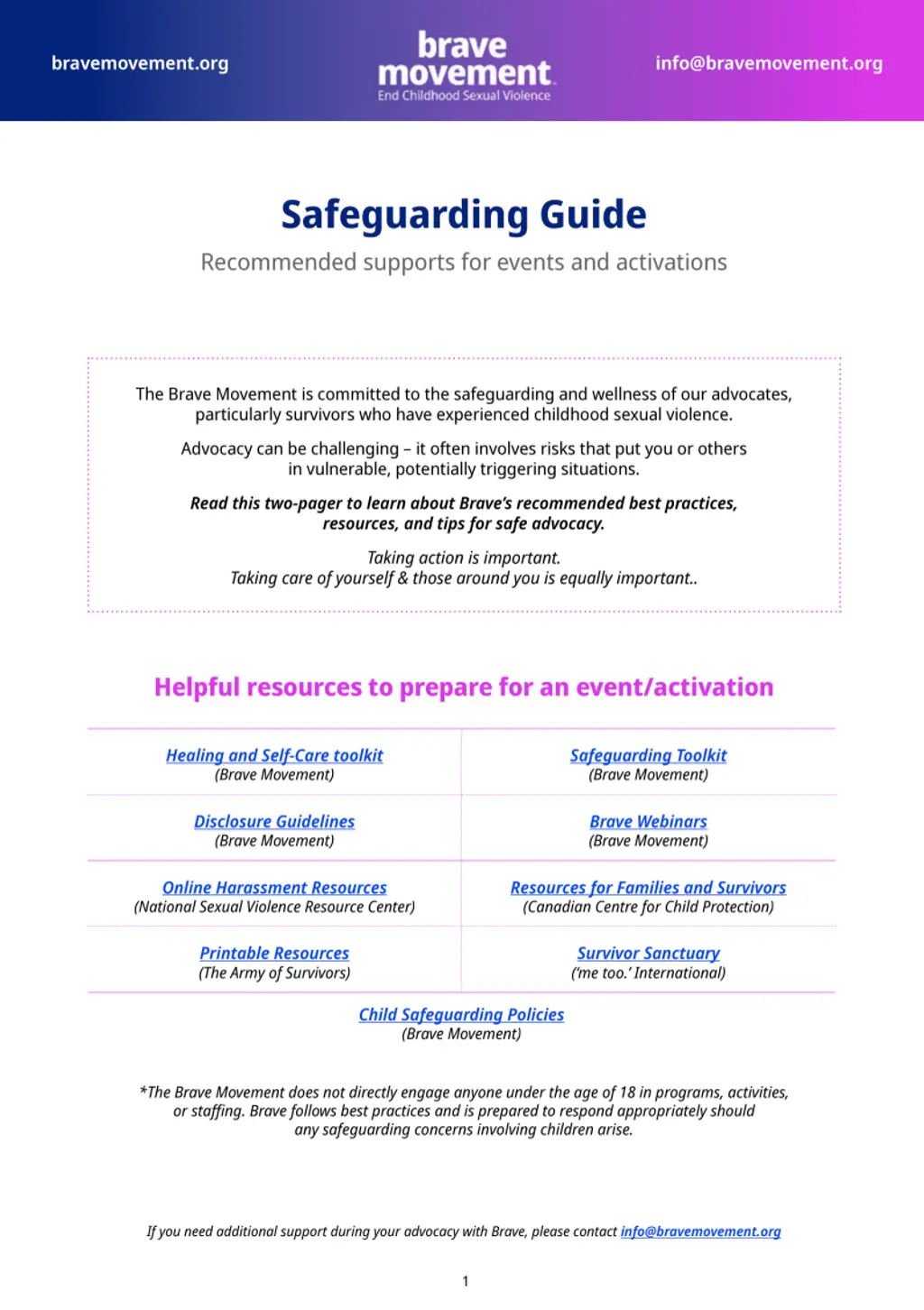
Read this two-pager to learn about Brave’s recommended best practices, resources, and tips for safe advocacy.
The Brave Movement encourages using the safe media engagement guidelines to prepare, give consent, and engage with media safely.